
Views: 0 Author: Site Editor Publish Time: 2025-12-15 Origin: Site


Choosing the right expansion tank bracket size and load capacity is vital. An incorrect bracket can cause instability, leaks, and inefficiency.
This article explains how to calculate the correct size and load capacity. We’ll guide you to ensure long-term system performance.
At Easywell, we offer high-quality expansion tank brackets for lasting reliability. Learn more about our products.
The size of your system and expansion tank are critical factors when choosing the correct bracket. The volume of water, the weight of the expansion tank, and the system's pressure must all be taken into account.
● Expansion Tank Size: The bracket must be large enough to fit the tank size, both when it is full and when empty. If the bracket is too small, it may fail to support the tank adequately, leading to system instability. Conversely, a bracket that is too large might not provide the necessary stability, affecting the overall system performance.
● System Volume: Larger systems with higher volumes of water require more robust brackets to support the increased tank size. When calculating the required bracket size, take into account the water volume in your system and the pressure exerted on the expansion tank. Larger volumes and pressures demand stronger brackets that can handle the additional load.
Environmental factors significantly affect both the bracket size and its load capacity. Consider these aspects before choosing your bracket to ensure it can handle the specific conditions of your environment:
● Corrosive Environments: For systems in areas exposed to high humidity, salt, or chemical vapors, selecting corrosion-resistant materials like stainless steel or epoxy-coated carbon steel is crucial. These materials will help prevent corrosion and extend the bracket’s lifespan in such challenging environments.
● Temperature Variations: Systems exposed to extreme or fluctuating temperatures require brackets made from materials that can withstand these variations without losing structural integrity. In high-temperature environments, ensure the bracket material is capable of handling thermal expansion without deforming.
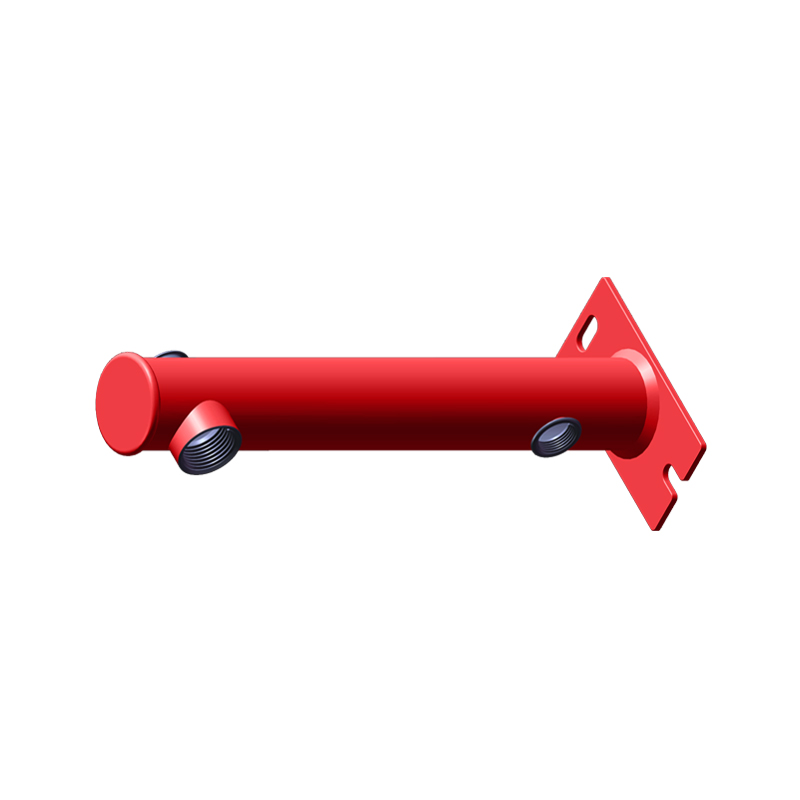
The material of the expansion tank bracket is directly linked to its ability to bear the weight of the expansion tank and resist the stress imposed by the environment.
● Stainless Steel: Ideal for systems exposed to harsh conditions, stainless steel offers superior durability and corrosion resistance. Stainless steel brackets are perfect for systems in marine environments or those exposed to chemicals, as they can withstand moisture and corrosive agents while maintaining their strength.
● Zinc-plated Carbon Steel: This material is more cost-effective while still offering durability for residential and light-commercial applications. It strikes a balance between strength and affordability, making it a good option for systems not exposed to extreme conditions. However, it may not offer the same corrosion resistance as stainless steel, making it more suitable for less demanding environments.
Material | Strength | Corrosion Resistance | Best Use Cases |
Stainless Steel | Very High | Very High | Marine environments, chemical exposure |
Zinc-plated Steel | Moderate | Moderate | Residential systems, light-commercial |
Powder-coated Steel | High | High | Modular installations, controlled environments |
When calculating the load capacity for your expansion tank bracket, it’s essential to consider the total weight the bracket needs to support. This includes both the weight of the expansion tank and the weight from water pressure during operation. The bracket must handle the full weight of the tank when it is full and under pressure. Proper weight distribution helps ensure system stability and prevents the tank from shifting or becoming misaligned.
A well-designed bracket will evenly distribute the load across its surface, ensuring that no single part of the system is overburdened. This is particularly important when dealing with high-pressure systems where the tank may expand significantly, adding extra weight to the bracket.
To calculate the load capacity of your expansion tank bracket, use the following formula:
Load Capacity=Weight of Expansion Tank+Weight from Water Pressure
Where:
● Weight of Expansion Tank: This refers to the weight of the tank when it is empty.
● Additional Weight from Water Pressure: This weight depends on the water pressure and the volume of fluid inside the expansion tank.
By adding these two weights, you can determine the total load the bracket must support. It’s crucial to ensure that the bracket you choose has a load capacity that can comfortably support this combined weight.
Expansion Tank Weight (Empty) | Additional Weight from Water Pressure | Total Weight (Load Capacity) |
20 lbs | 30 lbs | 50 lbs |
40 lbs | 60 lbs | 100 lbs |
60 lbs | 90 lbs | 150 lbs |
It is always a good idea to overestimate the required load capacity by 10-20%. This will help to account for system pressure changes, providing an extra layer of security to prevent bracket failure.
The design of the expansion tank bracket plays a crucial role in its ability to distribute the load evenly and withstand the pressures of the environment.
● Bowed Brackets: These are specifically designed for wet or corrosive environments. The curved frame of bowed brackets allows for better weight distribution, reducing stress on the system and preventing damage. This design is particularly ideal for systems exposed to chemicals or moisture-rich conditions, where corrosion could be a concern. Additionally, the design ensures that the expansion tank is securely held in place, providing long-term reliability in harsh environments.
● Round Brackets: Offering greater flexibility, round brackets are often adjustable, allowing them to fit a variety of tank sizes. These brackets are commonly used in commercial and industrial applications where tanks may vary in size. Round brackets provide sturdy support, making them perfect for systems that require high load-bearing capacity. Their versatility in installation and the option for adjustment make them a popular choice for larger tanks in larger systems.
● Square Brackets: Square brackets are ideal for residential systems, particularly when space is limited. Their compact and rigid design ensures stability, providing strong support without occupying much space. These brackets are especially useful for modular or compact installations, where space-saving is a priority. Despite their smaller size, square brackets are built to provide the same level of support and security as other designs, making them a perfect choice for smaller residential systems.
Bracket Type | Design | Advantages | Best Use Cases |
Bowed | Curved design for weight distribution | Corrosion-resistant, space-efficient | Wet environments, marine, chemical exposure |
Round | Circular, adjustable clamps | Flexibility for various tank sizes | Commercial HVAC, larger systems |
Square | Compact, rigid design | Space-saving, stable support | Residential systems, tight spaces |
The material used in your expansion tank bracket directly impacts its ability to support the weight of the expansion tank over time. Stronger materials enable the bracket to carry more weight without deforming, ensuring stability and reducing the risk of failure.
● Stainless Steel: Known for its high strength and corrosion resistance, stainless steel is perfect for long-term use in marine environments, industrial settings, or areas exposed to chemicals and moisture. This material offers excellent durability and ensures the bracket can bear substantial weight over time.
● Zinc-plated Steel: A cost-effective option, providing moderate strength and moderate corrosion resistance. This material is suitable for residential and light-commercial applications where the environment is less harsh and the exposure to corrosion is minimal.
● Powder-Coated Steel: Ideal for modular installations, powder-coated steel brackets offer excellent corrosion resistance and good durability, especially in environments where temperature fluctuations are minimal. They are a great option for systems in controlled indoor environments.
Selecting the right material ensures that your expansion tank bracket can withstand years of stress, exposure to varying temperatures, and pressure changes. Over time, choosing corrosion-resistant materials will save you from frequent replacements and costly repairs.
Warping or corrosion is a common issue that can occur when expansion tank brackets are exposed to high pressure, temperature fluctuations, or chemicals. Over time, the material may weaken, causing the bracket to deform and fail to support the tank properly. This can lead to instability and inefficient system performance.
Regular inspection is essential to identify signs of warping, corrosion, or any weakening of the bracket material. Ensure the bracket is made of corrosion-resistant materials like stainless steel or epoxy-coated steel to reduce the likelihood of these issues. Early detection can prevent costly repairs and system failures.
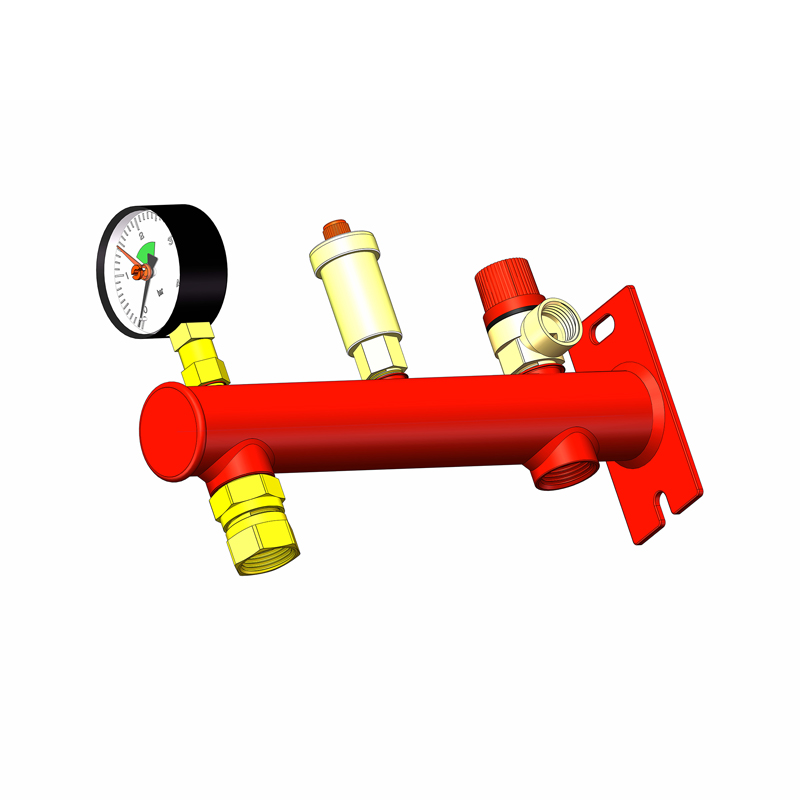
Leaks around the expansion tank bracket can significantly affect the performance of your system. Even small leaks can lead to pressure imbalances, causing the system to work harder than necessary and reducing its efficiency. Over time, this can result in increased wear on components and higher energy costs.
To prevent leaks, regularly tighten all connections and check for cracks or damage to the bracket or tank. If you notice any signs of water pooling or dripping around the bracket, address the issue immediately. Make sure that the sealing materials are in good condition and replace any worn-out seals.
Regular inspections are essential to ensure the longevity of your expansion tank bracket. Look for signs of wear, corrosion, or instability, as these issues can compromise the bracket’s performance. During inspections, pay close attention to areas that experience high stress or are exposed to moisture. Clean the brackets annually to remove dirt, corrosion, or any buildup that may affect their stability. Using a wire brush or mild cleaner can help keep the surface smooth and free from harmful substances.
Over time, even the best expansion tank brackets may show signs of damage, corrosion, or warping. If you notice any of these issues, it’s important to replace the bracket immediately to avoid further damage to your system. If your system's load or environmental conditions have changed, upgrading to a stronger bracket is recommended. Ensure the new bracket is made from a material that suits your system's evolving needs, such as stainless steel for higher durability in harsh environments.
Correctly calculating the expansion tank bracket size and load capacity is crucial for system stability. Consider system size, environmental factors, and material durability when selecting your bracket. Regular maintenance ensures system longevity and reduces breakdowns. By choosing the right bracket, your expansion tank will function efficiently and safely.
For systems in corrosive environments, Easywell offers durable, high-quality expansion tank brackets that ensure long-term reliability and performance.
A: To calculate the correct bracket size, consider the expansion tank's dimensions and weight. Ensure the bracket can support the tank both when full and empty, accounting for water volume and system pressure.
A: Material choice affects durability and load capacity. Stainless steel offers high corrosion resistance, ideal for corrosive environments, while zinc-plated carbon steel is suitable for lighter applications.
A: A too-small bracket may fail to support the tank adequately, leading to instability and potential system leaks. It’s essential to match the bracket size to the expansion tank’s weight and pressure.
A: Environmental factors like humidity, chemicals, and temperature fluctuations impact the material and strength of the bracket. Stainless steel or epoxy-coated carbon steel are ideal for wet or chemically exposed systems.


