
Views: 0 Author: Site Editor Publish Time: 2026-02-11 Origin: Site



Pressurizing an expansion tank before installation is a critical step for system reliability and safety. The answer to "Do I have to pressurize my expansion tank" is yes—matching the tank’s air pressure to your home’s water pressure prevents costly failures. For proper installation, you need:
A pressure gauge for accurate measurement.
A standard air pump to adjust tank pressure.
Skipping this step can lead to serious risks:
Risk Description | Implications |
|---|---|
Increased pressure on water heater and plumbing | Can lead to wear and tear on components, risking leaks and system failure. |
Water hammer | Causes loud banging noises and potential damage to pipes and fixtures. |
Water damage | High pressure can lead to leaks and flooding, resulting in costly repairs. |
Ruptured tank | Excess water volume can cause the water heater to rupture, leading to property damage. |
This guide provides clear steps, safety tips, and product recommendations to ensure a secure installation.
Always pressurize your expansion tank before installation to match your home's water pressure. This step prevents costly system failures.
Use a pressure gauge to measure the air pressure accurately. This tool ensures you set the correct pre-charge pressure.
A standard air pump is essential for adjusting the tank pressure. This allows you to maintain optimal performance and safety.
Skipping the pressurization step can lead to serious risks, including leaks, water hammer, and even tank rupture.
Regularly check the expansion tank pressure, ideally once a year, to ensure it matches your system's static pressure.
Securely mount the expansion tank using a bracket to minimize movement and reduce the risk of leaks.
If unsure about the process, consult a professional installer. They can help verify the correct pressure settings and ensure safe operation.
Proper maintenance and inspection of the expansion tank can extend its lifespan and improve overall system efficiency.
An expansion tank is a critical component in modern water heater and heating systems. It manages the pressure changes that occur when water heats up and expands. The tank connects to the cold water supply line and provides a dedicated space for expanding water. This prevents excess pressure from building up in the system, which can lead to leaks or damage.
The expansion tank contains an internal air cushion or inert gas. This cushion absorbs the force of expanding water, reducing the risk of water hammer and protecting system components.
In closed loop heating systems, the expansion tank ensures that pressure does not exceed safe limits. It prevents the boiler relief valve from opening unnecessarily, which maintains system stability and safety.
The Easywell Expansion Tank Bracket Series offers robust support for these tanks, ensuring secure installation in residential, commercial, and industrial environments.
Correct pre-charge pressure is essential for the expansion tank to function as intended. The pre-charge pressure refers to the air pressure inside the tank before it is connected to the system. If the pre-charge is too low, the tank cannot absorb enough expansion, leading to high system pressure and potential damage. If the pre-charge is too high, the tank may not accept water at all, defeating its purpose.
Industry guidelines recommend matching the pre-charge pressure to the system’s cold fill pressure. This alignment allows the tank to accommodate thermal expansion efficiently. A small reserve pressure, typically 4 to 5 PSIG at the highest point in the system, helps maintain proper operation and prevents bladder damage.
Expansion tanks come in several types, each suited to specific applications. The table below summarizes the main types found in plumbing and heating systems:
Type | Description | Advantages | Disadvantages |
|---|---|---|---|
Open Expansion Tank | Installed at the highest point, open to atmosphere. | Simple design, low cost | Evaporation, contamination, heat loss. Rare today. |
Closed Expansion Tank | Sealed unit, widely used in modern systems. | Stable pressure, low maintenance | Requires recharging (plain steel type). |
Diaphragm / Bladder Type | Flexible diaphragm or bladder separates air and water. | Compact, reliable | N/A |
Plain Steel Type | No diaphragm, air cushion in direct contact with water. | N/A | Air dissolves, frequent recharging. |
Most modern systems use diaphragm or bladder-type expansion tanks. These designs feature a rubber membrane that separates the water from the air side, ensuring consistent performance and minimal maintenance. The Easywell Expansion Tank Bracket Series supports all major tank types, offering installation flexibility for a wide range of system layouts.
The question "do i have to pressurize my expansion tank" arises frequently among homeowners and professionals. The answer depends on the type of system in use. Expansion tanks play a vital role in managing pressure changes in water heating and hydronic systems. Pressurizing the tank before installation ensures that it can absorb excess pressure and protect the system.
System Type | Requirement for Expansion Tank |
|---|---|
Closed Hydronic | Required to manage pressure increase due to water expansion when heated. |
Open Hydronic | Not required as there is an opening to the atmosphere, allowing overflow. |
Residential Homes | Often required when water heaters lack built-in expansion relief mechanisms. |
Commercial Properties | Necessary for large-scale water heating systems and closed-loop HVAC systems. |
Municipal Supplies | Required when pressure-reducing valves or backflow preventers are in use to ensure safety. |
In most residential and commercial settings, the answer to "do i have to pressurize my expansion tank" is yes. Closed hydronic systems, municipal supplies with backflow preventers, and properties with large-scale water heating systems all require proper tank pressurization. Open hydronic systems do not need pressurization because they vent excess pressure to the atmosphere.
Before installation, always match the tank’s air pressure to the system’s cold fill pressure. This step prevents system failures and ensures optimal performance. The process involves isolating the tank, draining any water, measuring the air pressure, and adjusting it to the required pre-charge level. The following steps outline the recommended method:
Isolate the expansion tank from the system.
Drain off all expanded fluid from the tank.
Measure the air pressure in the tank.
Reset the pre-charge air pressure to the optimal setting based on the tank size and required pre-charge pressure.
These steps guarantee that the tank will function as intended and protect the system from excessive pressure.
Ignoring the question "do i have to pressurize my expansion tank" can lead to serious consequences. Failure to pressurize the tank before installation exposes the system to several risks:
Increased pressure on water heaters and plumbing components.
Water hammer, which causes loud noises and damages pipes.
Water leaks and potential flooding.
Ruptured tanks and property damage.
Tip: Always match the expansion tank pressure to the system pressure before installation. This practice prevents costly repairs and extends the life of your heating system.
Many homeowners ask, "do i have to pressurize my expansion tank" when installing new equipment. The answer remains consistent for most modern systems. Proper pressurization is essential for safety, reliability, and performance. Skipping this step can result in premature system failure and expensive repairs.
If you are unsure about the process or system requirements, consult a professional installer. They can verify the correct pre-charge pressure and ensure that your expansion tank is ready for service.
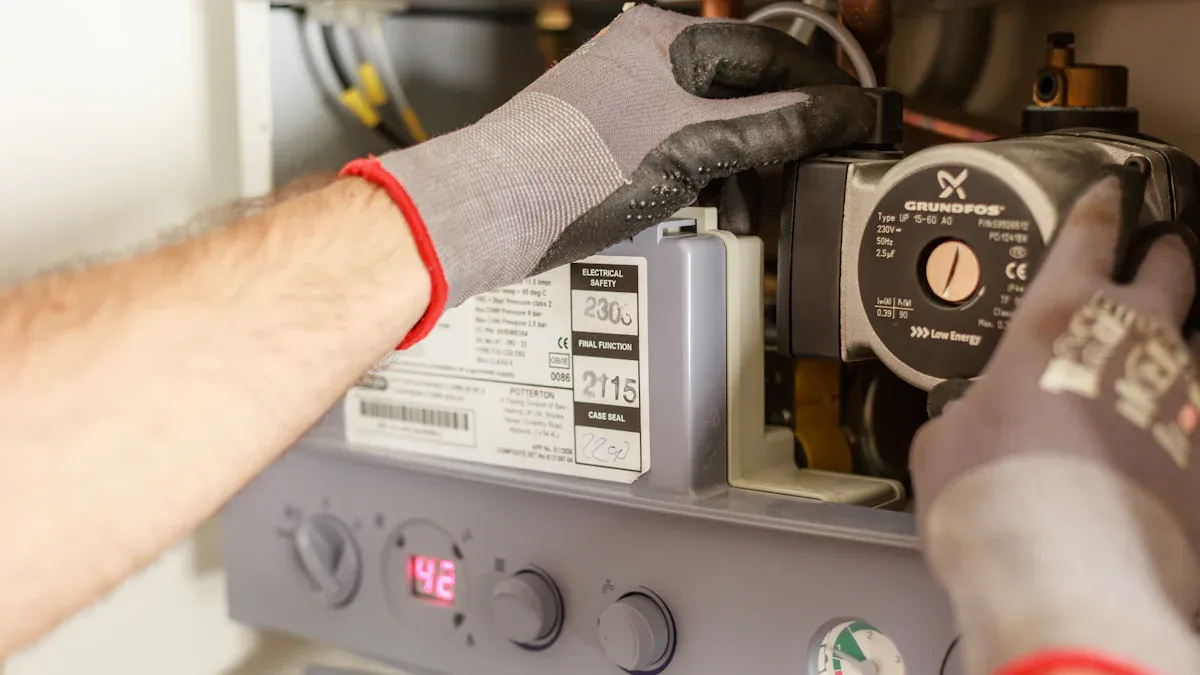
Proper preparation is essential for meeting expansion tank requirements and ensuring a safe installation. The industry recommends using a handheld tire pressure gauge to check the air pressure inside the tank before connecting it to the system. This tool provides accurate readings and helps verify that the tank meets the necessary specifications. A standard air pump, such as a bicycle pump or an oil-free compressor, is used to adjust the air pressure if needed. Nitrogen gas may also be used in some professional settings, but oil-free compressed air is suitable for most residential applications.
The following tools are required for expansion tank installation:
Handheld tire pressure gauge for measuring air pressure.
Standard air pump for adjusting air pressure.
Manufacturer instructions for reference.
Adjustable wrench for securing fittings.
Easywell Expansion Tank Bracket for stable mounting.
The air pressure should match the home's static water pressure or be set slightly higher, typically by 5 to 10 psi. This ensures the tank can absorb expansion and maintain system stability.
The Schrader valve is a small, threaded valve located on the air side of the expansion tank. It resembles the valve found on car tires and allows for easy measurement and adjustment of air pressure. Before beginning, locate the Schrader valve, usually positioned at the top or side of the tank. Remove the protective cap and attach the pressure gauge to check the current air pressure. If adjustment is needed, connect the air pump to the valve and follow the manufacturer's instructions to reach the desired pressure.
Tip: Always consult the manufacturer's instructions for specific expansion tank requirements and recommended pressure settings.
Safety is paramount during expansion tank installation. Relieving system pressure before adjusting the tank prevents accidental leaks and ensures accurate measurements. Follow these steps to safely prepare the system:
Close the shut-off valve between the expansion tank and the system to isolate the tank.
Drain water from the wet side of the system to relieve pressure.
Set the air pressure on the dry side of the tank using the pressure gauge and air pump.
Close the air valve to maintain the set pressure.
Reopen the shut-off valve to expose the expansion tank to the system.
Always wear protective gloves and safety glasses when handling pressurized components. Secure the tank using the Easywell Expansion Tank Bracket to prevent movement and reduce vibration during operation. Proper mounting supports long-term performance and simplifies maintenance.
Note: Accurate pressure adjustment and adherence to instructions are critical for system safety and reliability.
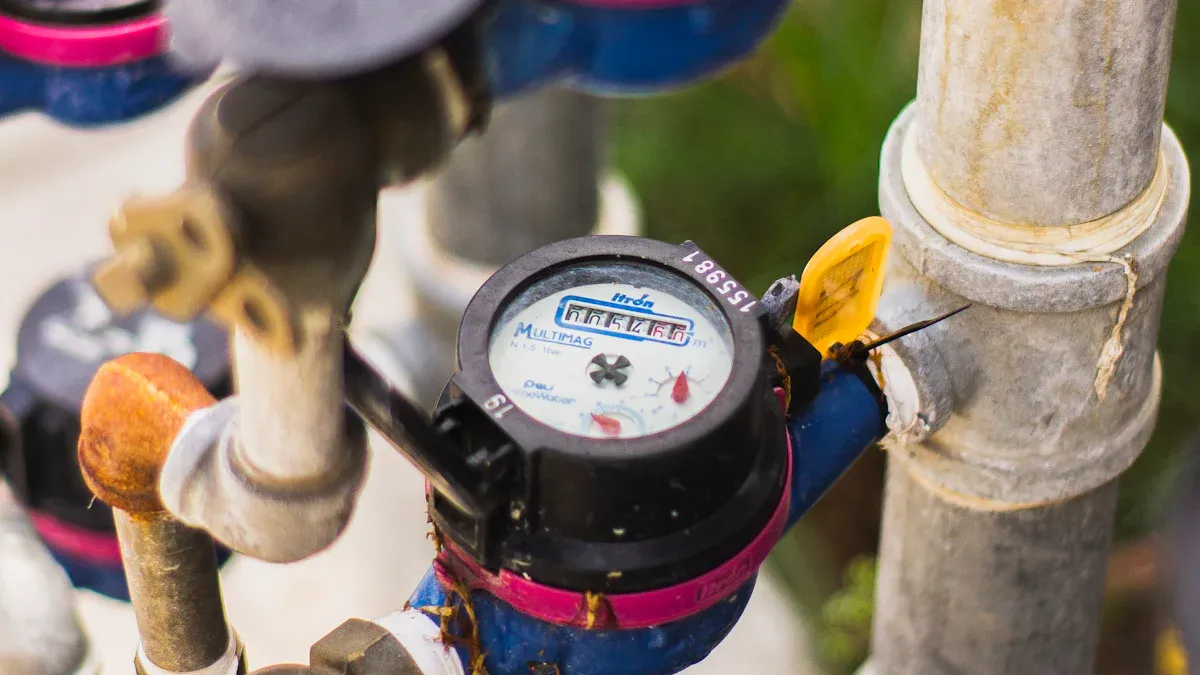
Accurate pressure measurement forms the foundation of a successful installation process. Begin by determining the static water pressure in your home. Most residential systems operate comfortably between 50 and 60 PSI. Avoid exceeding 80 PSI, as higher values can strain plumbing components and compromise safety.
Step-by-step procedure:
Locate the pressure gauge on your main water supply line.
Record the current reading when no fixtures are running.
If your system uses a boiler, check the cold fill pressure, which typically sits at 12 PSI.
Compare this value to the manufacturer’s recommended pre-charge setting for your water heater expansion tank.
Tip: Matching the expansion tank’s pre-charge pressure to your system’s static pressure ensures optimal performance and prevents premature tank failure.
Before adjusting the water heater expansion tank, relieve all system pressure. This step prevents inaccurate readings and reduces the risk of leaks during the installation process.
Follow these steps:
Shut off the water supply to the heater.
Open a faucet or hose spigot to drain water from the system until the pressure gauge reads zero.
Disconnect the expansion tank from the plumbing if possible.
Allow the tank to cool if it has been in use.
Note: Always wear protective gloves and safety glasses when working with pressurized systems.
After draining the system, measure the air pressure inside the water heater expansion tank. Use a handheld tire pressure gauge at the Schrader valve, which is usually located on the tank’s air side.
Procedure:
Remove the air valve cap and check for leaks.
Press the gauge firmly against the Schrader valve to obtain a reading.
If the pressure is below the required value (typically matching your house water pressure), add air to the tank.
Follow the manufacturer’s instructions for the correct pre-charge setting.
A bicycle pump offers a simple and effective method for adjusting tank pressure in most residential settings.
Steps:
Attach the pump to the Schrader valve.
Inflate the tank slowly, checking the pressure after each burst.
Aim for a pre-charge that matches your house water pressure, usually between 50 and 60 PSI.
Remove the pump and recheck the pressure to confirm accuracy.
Callout: If the tank’s pressure falls below 12 PSI in a cold system, add air until it reaches the recommended level.
An air compressor provides a faster and more precise way to adjust tank pressure, especially for larger or commercial tanks.
Steps:
Connect the compressor hose to the Schrader valve.
Set the compressor to deliver oil-free air.
Inflate the tank, monitoring the gauge closely.
Adjust the pressure to match your system’s static value, avoiding over-inflation.
Recheck the pressure to ensure it remains within the desired range.
Tip: For well systems, set the tank pressure to 2 PSI below the pressure switch’s cut-in setting.
Proper measurement and adjustment of the water heater expansion tank pressure guarantee reliable operation and extend the lifespan of your heating system. Always consult the manufacturer’s guidelines and use accurate tools for every step.
After adjusting the air pressure in your expansion tank, always confirm that the setting matches your system’s requirements. This step ensures the tank will function correctly and protect your plumbing from excess pressure.
Follow these steps to confirm and reinstall your expansion tank:
Double-Check Air Pressure:
Use your pressure gauge to verify the final air pressure at the Schrader valve. The reading should match your system’s static water pressure, or the manufacturer’s recommended value. If the pressure has changed during handling, adjust it again using your pump or compressor.
Inspect for Leaks:
Examine the Schrader valve and tank body for any signs of air leakage. Listen for hissing sounds or apply a small amount of soapy water to the valve. Bubbles indicate a leak that must be addressed before proceeding.
Reattach the Expansion Tank:
Carefully attach expansion tank to the water heater or heating system. Ensure all threaded connections are clean and free of debris. Tighten fittings securely with an adjustable wrench, but avoid over-tightening, which can damage threads or seals.
Secure the Tank with a Bracket:
For optimal safety and stability, mount the tank using a dedicated support such as the Easywell Expansion Tank Bracket. Select the appropriate model—bowed, round, or square—based on your installation environment. Proper support prevents movement, reduces vibration, and extends the life of both the tank and connected piping.
Restore Water Supply and Check Operation:
Open the shut-off valve to restore water flow to the system. Observe the pressure gauge as the system refills. Watch for any leaks at the tank connections. Once the system reaches normal operating pressure, check the expansion tank for proper function by gently tapping the tank or feeling for temperature differences between the air and water sides.
Tip: If you notice persistent pressure fluctuations or water leaks after installation, recheck the tank’s air charge and all fittings. Persistent issues may indicate a faulty tank or a problem elsewhere in the system.
Final System Inspection:
Walk through the installation area and inspect all connections, brackets, and the tank itself. Confirm that the tank is firmly supported and that there are no signs of stress or misalignment. Document the installation date and pressure settings for future maintenance.
A properly installed and supported expansion tank will provide years of reliable service. Regularly check the air charge and inspect the mounting bracket to maintain system safety and performance.
Even experienced installers can encounter issues during expansion tank pressurization. Recognizing common mistakes and knowing how to address them will help ensure a safe, efficient system.
Incorrect pressurization is one of the most frequent errors. Setting the tank pressure too high or too low can cause system inefficiency, leaks, or even tank failure. Always match the tank’s pre-charge pressure to the system’s static water pressure. Use a reliable gauge to verify your readings. If the tank is undersized for the system, over-pressurization may occur, leading to frequent relief valve discharge or water hammer. Oversized tanks, while less risky, can reduce system efficiency.
Common pressurization mistakes include:
Using a tank that is too small for the system, which leads to excessive pressure buildup.
Selecting a tank that is too large, resulting in inefficient operation.
Failing to match the pre-charged pressure to the system’s static pressure.
Ignoring the system’s temperature range, which can cause pressure surges.
Overlooking system complexity or future expansions when sizing the tank.
Choosing a low-quality tank, which increases the risk of premature failure.
Tip: If your house water pressure exceeds 80 psi, install or adjust a pressure-reducing valve. High pressure can damage plumbing and may violate local codes.
Attempting to check or adjust the air charge without fully draining the tank is a common oversight. Water remaining in the tank will give false pressure readings and prevent proper adjustment. Always isolate the tank and drain all water before measuring or adding air. This step ensures the air side of the tank is accessible and the pressure reading is accurate.
Troubleshooting steps:
If the gauge shows inconsistent readings, double-check that the tank is completely drained.
Listen for water movement inside the tank when tapping it gently; a sloshing sound indicates incomplete drainage.
Faulty equipment can lead to misdiagnosis and improper pressurization. Pressure gauges may lose calibration over time, and Schrader valves can develop leaks or blockages. Always inspect your tools before use. Replace any gauge that provides inconsistent or implausible readings. Check the Schrader valve for leaks by applying soapy water and watching for bubbles.
Other issues that may arise include:
Leaks from the tank body, which often require professional assessment.
Air blockages that prevent proper water circulation.
Loss of air in diaphragm tanks, which may need periodic recharging.
Condensation buildup, which can cause rust and signal the need for maintenance.
Note: Regular inspection and maintenance of both the expansion tank and your tools will help prevent most common failures and ensure long-term system reliability.
Working with pressurized air requires strict attention to safety. Expansion tanks operate under significant pressure, and improper handling can result in injury or equipment damage. Always follow these best practices:
Use only ASME-certified air receiver tanks for installation.
Never exceed the manufacturer’s maximum pressure guidelines.
Ensure the tank features a functioning pressure gauge at all times.
Inspect the tank regularly for corrosion, cracks, thinning walls, or weld seam issues.
Confirm that an ASME-certified safety relief valve is present and operational.
Drain the tank frequently to prevent liquid accumulation inside.
Allow only certified professionals to perform alterations or repairs.
Provide safety training for anyone responsible for system operation.
Tip: Always wear protective gloves and safety glasses when working with pressurized systems. Safety equipment reduces the risk of injury from accidental air release or component failure.
Leak detection is a vital part of expansion tank maintenance. Even small leaks can compromise system performance and lead to costly repairs. Follow these steps to check for leaks after installation:
Inspect all pipe fittings and connections. Tighten them as needed to prevent water seepage.
Examine the drain valve for signs of leakage. Adjust or replace if necessary.
Check the tank body, especially around the diaphragm, for any visible moisture or corrosion.
Remove the cap from the Schrader valve and use a pressure gauge to verify the air charge. The reading should match the initial pre-charge value.
Apply a small amount of soapy water to the Schrader valve. Bubbles indicate an air leak that requires attention.
Note: Annual inspections help maintain the tank’s integrity. The average lifespan of a properly maintained expansion tank ranges from 5 to 10 years.
Some issues require professional assessment. Recognizing the signs of tank failure can prevent system damage and ensure safety. Contact a licensed technician if you notice any of the following:
Water leaking from the top or base of the tank.
Pooling water or persistent dampness around the tank.
Fluctuations in water pressure, especially during hot water use.
Visible rust or corrosion on the tank surface.
Unusual noises, such as popping or banging, from the water heater or pipes.
Water dripping from the pressure relief valve.
A tank that feels waterlogged or unusually heavy.
Check the relief valve by pressing the needle. A hissing sound indicates proper function.
Knock on the tank. A hollow sound suggests good condition, while a dull sound may signal internal issues.
Alert: Schedule annual inspections with a qualified professional. Regular maintenance extends the life of your expansion tank and ensures reliable system performance.
Maintaining correct expansion tank pressurization prevents over-pressurization and protects your system.
Using proper tools and following safety measures, such as pressure gauges and thread sealant, ensures reliable operation.
Regular maintenance, including annual pressure checks and professional inspections, extends tank life.
Secure anchoring with Easywell brackets minimizes leaks and enhances efficiency.
Benefit | Description |
|---|---|
Prevents leaks | Secure support avoids water leaks |
Minimizes wear | Reduces stress and prolongs tank integrity |
Enhances efficiency | Improves water heating system performance |
Extends lifespan | Contributes to longer heater life |
If you are unsure about any step, consulting a plumbing professional guarantees optimal performance and safety.
Annual checks are recommended. Use a pressure gauge to verify the air charge matches your system’s static pressure. Regular inspection helps prevent leaks and ensures reliable operation.
You need a handheld pressure gauge, a standard air pump or compressor, and an adjustable wrench. Manufacturer instructions and an Easywell Expansion Tank Bracket support safe installation.
Yes, a bicycle pump works for most residential tanks. Attach it to the Schrader valve and inflate slowly. Check the pressure after each burst to avoid over-pressurizing.
Incorrect pressurization can cause leaks, water hammer, or tank failure. It may also reduce system efficiency and lead to costly repairs. Always match tank pressure to system pressure.
The Schrader valve is usually found on the air side of the tank, often at the top or side. Remove the protective cap to access it for pressure measurement and adjustment.
Draining the tank is essential. Water inside the tank gives false readings and prevents proper adjustment. Isolate and drain the tank before measuring or adding air.
Contact a licensed technician if you notice leaks, persistent pressure fluctuations, visible corrosion, or unusual noises. Professional assessment ensures safety and prevents system damage.
The Easywell Expansion Tank Bracket provides secure support for expansion tanks. It reduces vibration, prevents movement, and extends the lifespan of both the tank and connected piping.


