
Views: 0 Author: Site Editor Publish Time: 2025-12-15 Origin: Site


Expansion tanks are vital for plumbing system safety. They manage pressure caused by heated water. Without them, systems can suffer damage.
In this article, we will cover safety guidelines for handling expansion tanks. You’ll learn how to install, inspect, and maintain them properly.
We will also highlight how Easywell products enhance safety and performance in your plumbing system. Learn more about their benefits for your setup.
To ensure proper handling and safety when working with expansion tanks, it’s important to understand their function and how they fit into the larger system. These devices are installed in water heating systems to absorb the additional pressure generated by thermal expansion when water is heated.
A thermal expansion tank is a small, but essential, device that provides a cushion for the excess pressure created when the water in a closed system, like a water heater, expands due to heating. This pressure buildup is a natural result of the water molecules moving faster and taking up more space as they are heated. The expansion tank absorbs this pressure, preventing damage to the water heater, pipes, and other components of the system. Without an expansion tank, water pressure could increase to dangerous levels, potentially causing leaks or ruptures in plumbing and damaging the water heater.
Thermal expansion tanks are particularly important in closed systems, where water cannot flow freely into the environment (as in open systems). In these systems, water is heated and its volume increases, leading to higher pressure.
Expansion tanks are designed with two chambers separated by a diaphragm or bladder. One chamber is filled with air, while the other chamber is filled with water. The function of the tank is simple but effective. When water in the plumbing system heats up and expands, it pushes into the expansion tank. The air chamber inside the tank compresses, absorbing the increase in volume and pressure.
This process ensures that pressure within the water heater and plumbing system stays within safe limits, preventing the system from experiencing sudden pressure spikes that could damage the pipes, valves, or the water heater itself. The expansion tank essentially acts as a buffer, reducing the strain on your plumbing system and extending the lifespan of your water heater.
In short, expansion tanks protect your plumbing system from the damaging effects of pressure build-up caused by thermal expansion, ensuring smooth and safe operation of your water heater and associated plumbing.
Proper installation is crucial for ensuring that expansion tanks function effectively and safely. A poorly installed tank can lead to inefficiency, increased wear, and potentially cause damage or failure to the entire plumbing system.
The placement of the expansion tank plays a significant role in its efficiency and overall performance. Careful attention to the following factors is essential:
● Location: Install the expansion tank close to the water heater. This proximity ensures that the tank can absorb pressure directly from the heater, effectively managing the pressure fluctuations. Installing it too far from the heater can reduce the tank's efficiency and lead to potential issues.
● Proximity to Heat Source: While the expansion tank should be near the water heater, it should not be exposed directly to the heat source. Direct exposure to excessive heat can cause the tank’s components to wear out more quickly, reducing its lifespan. Proper spacing ensures the tank performs effectively without being affected by the heat.
● Orientation: Most expansion tanks are designed to be installed vertically. This orientation allows for the correct separation of water and air, enabling the air chamber to compress when the water expands. Proper air and water separation are vital to ensure that the tank absorbs the pressure efficiently and prevents system strain.
Along with proper placement, installing the right valves is essential for the safe operation of the expansion tank:
● Isolation Valve: This valve allows you to isolate the expansion tank from the plumbing system for maintenance or replacement. By having an isolation valve, you can service the tank without affecting the rest of the system, avoiding any water disruption in the home.
● Pressure Relief Valve: A pressure relief valve is a safety feature that ensures excess pressure, beyond the safe capacity of the expansion tank, is released. This prevents the system from over-pressurizing, avoiding potential damage to pipes, the water heater, or other plumbing components.
Ensuring these installation factors are followed helps to maintain the longevity and efficiency of your system while avoiding costly repairs in the future.
Regular maintenance is essential to ensure that the expansion tank continues to function effectively. Failing to properly maintain the tank can lead to pressure build-up and possible system failures, which can result in expensive repairs and potential water damage.
The pressure inside the expansion tank should be checked regularly to ensure it matches the system’s operating pressure. This can be done using a pressure gauge to measure the air pressure at the Schrader valve of the expansion tank. If the pressure is too low, the tank won’t be able to absorb the expanding water, leading to potential damage to the system.
● Check Pre-charged Pressure: The pre-charged air pressure should match the system’s water pressure. If the pressure has dropped, recharge the tank by adding air through the Schrader valve.
● Adjust Pressure as Needed: If the system pressure changes due to modifications or repairs, you must also adjust the pre-charged air pressure to match the new system pressure.
Leaks are a strong indication that something may be wrong with the expansion tank. Always inspect the tank for leaks, particularly around the valves or at the connection points where the diaphragm or bladder could have failed. Leaks reduce the effectiveness of the expansion tank, and if left unaddressed, they can damage the plumbing system by allowing excessive pressure to build up.
● Inspect Valve Connections: The valve connections should be securely tightened, with no visible leaks. Leaks here often indicate a need for tightening or replacement of worn seals.
Over time, the diaphragm or bladder inside the expansion tank can wear out due to constant pressure and temperature changes. Regularly inspect the tank for signs of wear or damage. If the diaphragm is compromised, the expansion tank will no longer be able to absorb pressure, and it may need to be replaced to ensure the system operates correctly.
● Inspect for Corrosion: Expansion tanks are susceptible to corrosion, especially in areas with high humidity or corrosive water. Regularly inspect the tank for signs of rust, which can cause the tank to fail prematurely.
● Replace Worn Parts: Parts such as the diaphragm, valves, and connectors can degrade over time. If any parts of the expansion tank are worn or damaged, replace them immediately to keep the system functioning properly.
Regular maintenance ensures the longevity of your expansion tank and helps to avoid costly plumbing repairs. Regular checks also allow you to catch potential issues early, preventing system breakdowns and improving overall performance.
Task | Frequency | Importance |
Check Pre-charged Pressure | Every 6-12 months | Ensures effective pressure management |
Inspect for Leaks | Every 6-12 months | Prevents system damage from undetected leaks |
Monitor Diaphragm Condition | Annually | Prevents tank failure due to diaphragm rupture |
Check for Corrosion | Annually | Prevents long-term damage due to external factors |
Handling expansion tanks requires caution, especially because they are pressurized systems. Always follow safety protocols to avoid injury or system damage. Failure to adhere to safety practices can result in severe injuries or costly plumbing repairs.
Before working on an expansion tank, it is crucial to safely manage and release any built-up pressure. Failing to do so may cause a sudden pressure burst, potentially damaging your system or resulting in personal injury.
● Release Pressure: Shut off the water supply and release any pressure in the system by opening a faucet or using the pressure relief valve. This step ensures you can safely handle the system without risking a sudden burst of water or pressure.
● Check the Pressure Relief Valve: Before starting any work, verify that the pressure relief valve is functioning properly. It should be ready to activate if the pressure exceeds safe levels, ensuring that the system is protected during operation.
Safety gear is essential when working with pressurized systems. Wear the appropriate protective equipment to minimize the risk of injury from water leaks, sharp plumbing parts, or sudden pressure releases.
● Gloves: Wear sturdy gloves to protect your hands from hot water, sharp edges on pipes, or accidental contact with pressurized water. This helps avoid burns, cuts, or abrasions.
● Goggles: Safety goggles are necessary to protect your eyes from potential splashes of hot water or debris that could come loose from the system.
● Boots: Waterproof safety boots will protect your feet from water exposure and ensure that you stay stable, especially on wet or slippery surfaces.
Many issues with expansion tanks arise from improper installation or lack of maintenance. Here are some common mistakes to avoid when working with expansion tanks:
One of the most common issues with expansion tanks is incorrect pressure settings. Ensure that the pre-charged pressure in the tank matches the system’s operating pressure. If the pressure is too high or too low, the expansion tank will not perform effectively.
An incorrectly sized expansion tank can lead to problems. If the tank is too small, it will not absorb enough pressure, leading to potential system failure. If the tank is too large, it may be unnecessarily costly and waste space.
Ensure that the expansion tank is installed in a well-ventilated area to avoid excessive heat buildup or over-pressurization. A tank installed in an area without proper airflow will not function optimally.
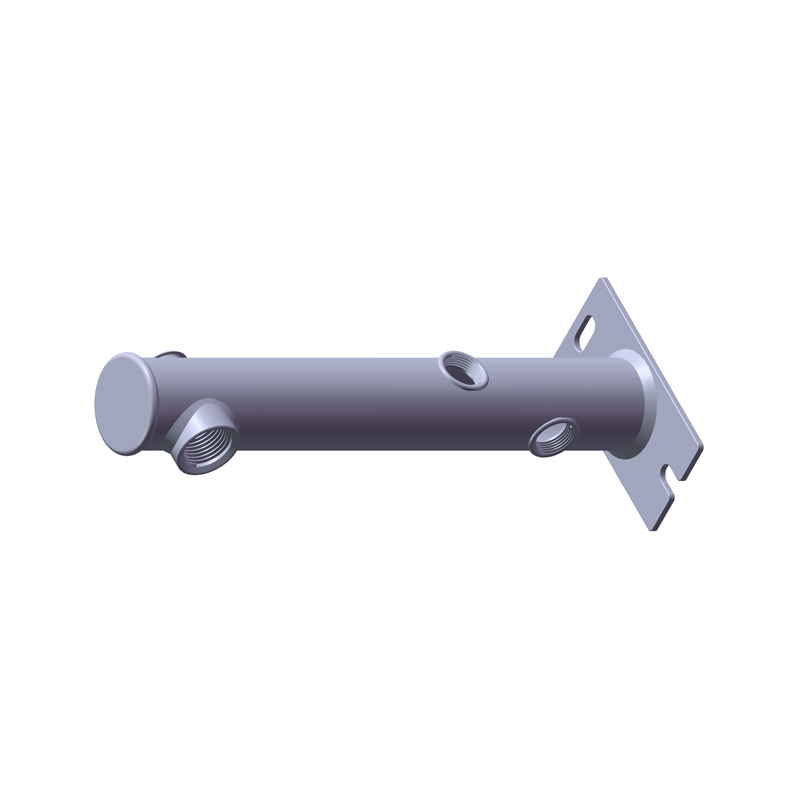
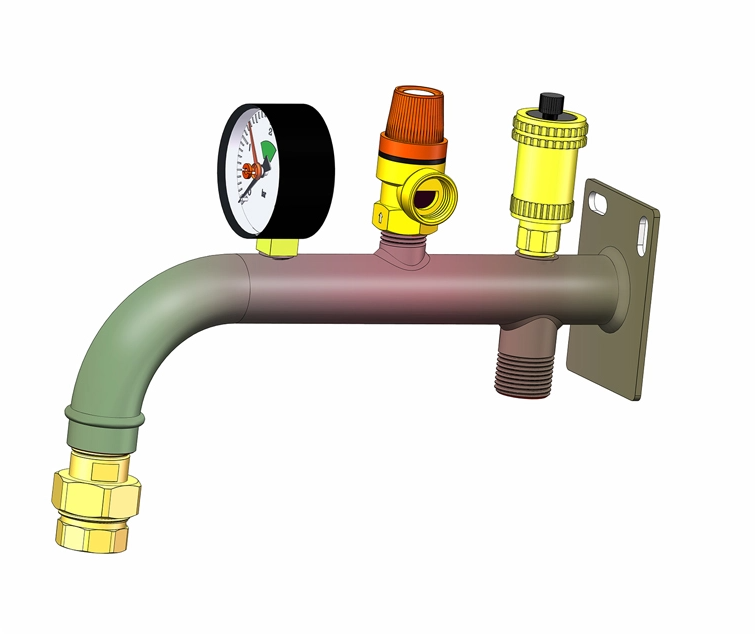
When selecting an expansion tank, there are several models available, each suited for different needs. Easywell's Expansion Tank Bracket Series, for example, provides durable, corrosion-resistant solutions ideal for both residential and commercial applications. The Bowed Expansion Tank Bracket, designed for wet and corrosive environments, offers a moisture-proof solution that protects your system in high-humidity areas. For residential setups, the Round Expansion Tank Bracket ensures quick installation and optimal functionality.
Type | Best for | Features |
Residential Expansion Tank | Smaller homes and water heater systems | Compact size, cost-effective, easy to install |
Commercial Expansion Tank | High-capacity systems or industrial settings | High capacity, built for higher pressures |
Bowed Expansion Tank | Wet and corrosive environments | Moisture-resistant, durable for harsh conditions |
Expansion tanks are crucial for preventing damage caused by pressure buildup in plumbing systems. Proper installation, maintenance, and safety measures ensure that your water heater and plumbing system remain efficient and last longer. Choosing the right expansion tank and keeping it well-maintained can reduce costly repairs.
Easywell offers high-quality expansion tank brackets designed for durability and easy installation, providing long-term protection for your plumbing system. Learn more about how these products can help safeguard your plumbing.
A: An expansion tank absorbs pressure caused by the thermal expansion of water in a closed system, protecting pipes and water heaters from damage.
A: You should inspect your expansion tank annually, checking for leaks and ensuring the pre-charged pressure matches your system’s pressure.
A: Yes, but it’s important to ensure proper installation. If unsure, consulting a professional plumber is recommended to avoid errors.
A: Choosing the correct size ensures that the expansion tank can properly absorb pressure, preventing potential system failures and costly repairs.


