
Views: 0 Author: Site Editor Publish Time: 2025-10-30 Origin: Site


In plumbing and heating systems, expansion tanks play a vital role in maintaining pressure balance. But without a strong, reliable expansion tank bracket, your entire system could be at risk. When these brackets fail, it can lead to system leaks, pressure issues, or even structural damage.
In this article, we will discuss the importance of choosing the right expansion tank bracket, considering factors like load capacity, safety standards, and material strength to ensure your system’s safety and longevity.
An expansion tank bracket is a crucial support system that holds the expansion tank in place within a plumbing or heating system. Its primary purpose is to ensure that the expansion tank remains stable and secure, preventing it from shifting or falling due to thermal expansion or system pressure fluctuations. These brackets are mounted to walls, floors, or ceilings, and are designed to withstand the weight of the tank, ensuring its proper function.
These brackets are commonly used in residential and small commercial systems. They hold the expansion tank on a wall, saving valuable floor space. They are ideal for smaller tanks, typically ranging from 1 to 25 liters, and are designed to withstand pressures of up to 10 bar. Wall-mounted brackets are simple to install and offer a compact solution for systems with limited space.
For larger tanks or industrial systems, floor and leg supports provide robust support. These brackets are particularly useful in settings where there’s no available wall space or when the tank is too heavy for wall mounting. They are designed to withstand greater weight and vibration, making them ideal for large systems like commercial boiler rooms or HVAC applications.
Adjustable expansion tank brackets offer versatility by allowing you to customize the size and position of the support system. These are particularly useful in systems where tank sizes vary or when retrofitting older systems. Their ability to adapt to different expansion tank sizes and installation environments makes them a popular choice for both residential and industrial applications.
When selecting an expansion tank bracket, ensure it has the following key features:
| Material Strength | Steel or stainless steel is commonly used due to its durability. |
| Weight Capacity | The bracket must be rated to handle the weight of the expansion tank (both empty and full). |
| Anti-Corrosion Properties | Since expansion tanks often operate in wet environments, corrosion-resistant materials and coatings are essential for long-term reliability. |
The load capacity of an expansion tank bracket must be calculated based on the size and weight of the expansion tank. Tank weight varies depending on the material, volume, and water pressure. As a general rule, when designing brackets, it’s important to factor in both the weight of the tank when empty and the full weight when filled with water or other fluids.
Example Calculation:
A 10-gallon expansion tank with water weighs approximately 80 lbs (36 kg). The bracket must support this weight along with any potential dynamic forces caused by thermal expansion.
When designing a bracket for an expansion tank, safety factors are essential. The bracket should be capable of handling up to 20-30% more than the actual weight of the tank. This margin ensures that the bracket will withstand unexpected forces, such as sudden pressure surges or environmental factors like temperature fluctuations.
Example Safety Factor: If your system requires a bracket to support 100 lbs (45 kg), choosing a bracket with a 1.5 safety factor would mean selecting a bracket with a 150 lbs (68 kg) load capacity.
The bracket’s weight capacity should always exceed the weight of the tank, both when empty and full. Failure to properly match the two could result in the bracket breaking or becoming dislodged, leading to significant system failure or leaks.
When designing an expansion tank bracket, consider stress points, especially around mounting areas. Improper load distribution can cause failure, especially in brackets that rely on a single point of contact. It’s crucial to ensure that the load is evenly spread across the bracket, minimizing the risk of cracks or breakage.
Material selection is paramount in expansion tank bracket design. Steel, stainless steel, and corrosion-resistant alloys are the most common materials due to their strength and resistance to rust, especially in wet or harsh environments. Choosing the right material prevents premature bracket degradation, which could compromise the entire system.
Environmental factors—such as humidity, temperature extremes, and exposure to chemicals—affect the longevity of expansion tank brackets. For instance, stainless steel is ideal for coastal areas with saltwater exposure, while fiberglass-reinforced polyester might be a better choice for chemically aggressive environments.
Vibration and shock can weaken brackets over time. Incorporating shock-absorbing features such as rubber pads or spring mechanisms can extend the lifespan of the bracket and reduce wear on both the bracket and expansion tank.
Ensure that the expansion tank bracket complies with industry safety standards, such as EN 13816 or ASME BPVC. These standards outline the minimum design requirements to ensure safety, structural integrity, and compliance with building codes. Always consult these standards to verify that your design meets the necessary safety criteria.
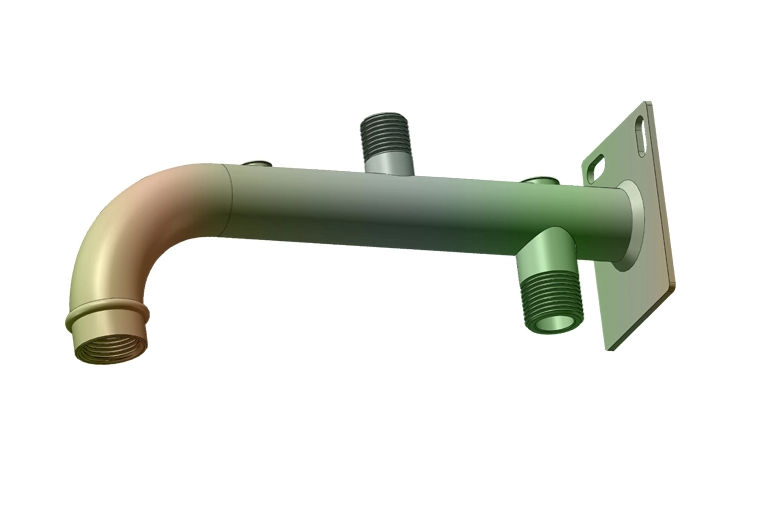
Choosing the correct mounting location is crucial for the stability of the expansion tank bracket. Wall-mounted brackets should be secured to studs or solid concrete surfaces. If mounting on a floor, ensure the surface can withstand the weight of both the expansion tank and the bracket, considering both dynamic and static loads.
To ensure a secure and smooth installation, prepare the following tools:
Drill and appropriate drill bits
Level for proper alignment
Screwdrivers or impact driver for mounting bolts
Safety gloves and glasses
Measuring tape for accurate positioning
Locate and mark the mounting position.
Drill holes for the mounting hardware.
Level the bracket to ensure even weight distribution.
Secure the bracket using heavy-duty screws and anchors, ensuring it’s firmly fixed to a solid surface.
Double-check alignment to prevent future strain on the bracket.
Mistake 1: Mounting the bracket on drywall without proper anchors.
Mistake 2: Not accounting for the full weight of the expansion tank when fully pressurized.
Mistake 3: Using an undersized bracket or incorrect mounting hardware.
Regular inspections are necessary to maintain bracket integrity. Inspect every 6-12 months for:
Loose bolts or screws.
Corrosion or rust on steel brackets.
Structural damage to the bracket or mounting points.
Signs of wear on shock-absorbing components.
Common bracket issues include:
Bracket shifting: Caused by improper installation or system pressure changes. Fix by re-securing the bracket with stronger anchors.
Cracking or bending: Caused by overload or stress. Replace the bracket with one that has a higher load capacity.
Always follow the manufacturer's guidelines for inspection and maintenance intervals.
Regularly check pressure gauges to ensure the expansion tank is functioning correctly and the bracket isn't under unnecessary strain.
A strong expansion tank bracket prevents undue movement and wear on the expansion tank, helping it maintain its pressure balance and effectively absorb thermal expansion. This extends the lifespan of both the tank and the plumbing system.
Proper bracket design ensures that the expansion tank remains securely mounted, allowing it to maintain stable pressure. This contributes to the overall stability of the system and prevents unexpected failures due to pressure surges or tank displacement.
Selecting the right expansion tank bracket is essential for the stability and efficiency of your plumbing or heating system. A properly designed bracket ensures that the expansion tank can handle weight, pressure, and environmental factors, preventing costly repairs and system failure.
Easywell offers high-quality, durable expansion tank brackets tailored to meet specific system needs, ensuring safety and long-term performance. Trust Easywell for reliable, heavy-duty solutions.
A: An expansion tank bracket is a support system that holds the expansion tank securely in place. It ensures the tank can handle pressure fluctuations and prevents movement, which helps maintain system stability and avoid damage.
A: To calculate load capacity, consider the tank's weight (both empty and full), system pressure, and any additional dynamic forces. The expansion tank bracket must handle these factors to ensure reliable performance.
A: Safety factors account for unforeseen pressure surges and environmental changes. By including them in your design, you ensure that the expansion tank bracket will withstand unexpected stresses without failing.
A: Inspect your expansion tank bracket at least once every 6-12 months for any signs of rust, loose bolts, or structural damage. Regular checks prevent potential failures and extend the bracket's lifespan.
A: Steel and stainless steel are ideal for expansion tank brackets due to their strength and corrosion resistance. These materials ensure long-term durability, especially in harsh environments.
A: Yes, expansion tank brackets come in various designs for both residential and industrial systems. Choose the appropriate bracket based on tank size, system pressure, and installation environment.


