
Views: 0 Author: Site Editor Publish Time: 2025-10-17 Origin: Site


Expansion tank brackets play a critical role in HVAC and plumbing systems. They ensure that expansion tanks remain stable and function properly. Choosing the right material for these brackets—steel or stainless steel—can impact their performance and lifespan. In this article, we'll compare steel and stainless steel expansion tank brackets. You'll learn about their pros, cons, and ideal use cases to make an informed decision.
An expansion tank bracket is a mechanical support designed to hold an expansion tank in place within a piping system. It ensures that the tank remains stable and properly aligned, preventing shifting or damage. These brackets are especially important in systems where the expansion tank is placed at a high point to manage thermal expansion in hot water systems. They are critical for maintaining consistent pressure and preventing system malfunctions.
In HVAC and plumbing systems, expansion tanks absorb the increase in pressure caused by the expansion of water when heated. The expansion tank bracket ensures the tank remains secure, which is vital for the system's efficient operation. Without proper bracket support, the expansion tank may not function optimally, leading to potential system failures or leaks.
The main function of expansion tanks is to control pressure changes in closed-loop systems. Expansion tank brackets support these tanks, helping to maintain constant pressure and preventing the system from over-pressurizing. Properly secured expansion tanks reduce the strain on pressure relief valves and other safety devices, ensuring long-term reliability.
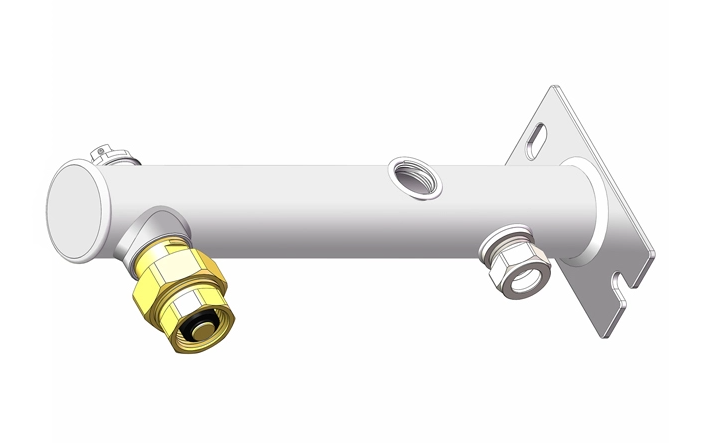
Steel is an alloy made primarily of iron and carbon. Known for its high strength and load-bearing capacity, steel expansion tank brackets are commonly used in many industrial applications. Steel brackets are relatively easy to manufacture and are cost-effective, making them a popular choice for general applications. They are highly versatile and can withstand significant stress, making them suitable for environments where heavy-duty support is required.
However, steel is prone to corrosion when exposed to moisture and harsh environments, which can impact its long-term durability.
Stainless steel is a corrosion-resistant alloy composed primarily of iron, chromium, and other metals. The addition of chromium forms a protective layer on the surface, making stainless steel highly resistant to rust and corrosion. Stainless steel expansion tank brackets are ideal for systems exposed to high humidity, moisture, or corrosive environments, such as coastal areas or industries dealing with chemicals.
While stainless steel brackets are more durable than their steel counterparts, they are generally more expensive due to the higher manufacturing costs and materials.
| Corrosion Resistance | Stainless steel offers superior corrosion resistance, making it ideal for environments with high moisture or exposure to chemicals. Steel brackets, on the other hand, are more susceptible to rust and corrosion unless protected by coatings. |
| Durability and Lifespan | Stainless steel brackets have a longer lifespan, especially in harsh environments. Steel brackets may require more maintenance and have a shorter service life. |
| Weight and Strength | Steel is stronger than stainless steel in certain applications, particularly when the bracket must support heavy loads. However, stainless steel provides a balance of strength and durability, making it ideal for corrosive environments. |
Cost-Effectiveness: Steel expansion tank brackets are generally more affordable than stainless steel brackets, making them a cost-effective choice for budget-conscious projects.
Strength and Load-Bearing Capacity: Steel is a robust material capable of supporting heavy loads, making it ideal for environments where strength is a top priority.
Prone to Rust and Corrosion: Steel brackets are highly susceptible to rust, particularly when exposed to moisture or chemicals. This can lead to the breakdown of the material and potential system failure.
Requires More Maintenance: Due to their vulnerability to corrosion, steel brackets may need regular maintenance and protective coatings to prolong their lifespan.
Limited Lifespan in Harsh Environments: Steel brackets are not recommended for high-moisture or corrosive environments, as they will deteriorate faster compared to stainless steel.
Superior Corrosion Resistance: Stainless steel's resistance to corrosion makes it an excellent choice for environments with high moisture, humidity, or chemical exposure.
Longer Lifespan and Minimal Maintenance: Stainless steel brackets require less maintenance due to their ability to resist corrosion, leading to a longer lifespan and fewer repairs.
Suitable for Extreme Conditions: Stainless steel is ideal for high-temperature or highly corrosive environments, such as coastal areas or industrial plants.
Higher Initial Cost: Stainless steel brackets are more expensive than steel, which can make them a less attractive option for budget-sensitive projects.
Not as Strong as Steel in Some Applications: While stainless steel is highly durable, it may not offer the same strength and load-bearing capacity as steel in certain high-stress applications.
Potential for Stress Cracking: In certain environments, such as those involving extreme temperatures, stainless steel can be prone to stress cracking, reducing its overall strength.
Budget-Conscious Projects: Steel brackets are a cost-effective solution for systems that do not require high corrosion resistance or are located in dry, controlled environments.
Dry or Non-Corrosive Environments: Steel expansion tank brackets are perfect for environments where moisture and harsh conditions are not a concern.
Corrosive or High-Moisture Environments: For systems in coastal regions or facilities exposed to chemicals and humidity, stainless steel brackets offer the best protection against corrosion.
Long-Term, Low-Maintenance Systems: Stainless steel brackets are ideal for systems that need to function with minimal maintenance over long periods.
When selecting the material for expansion tank brackets, consider factors like the environmental conditions, load-bearing requirements, and budget. Stainless steel is the best option for harsh environments, while steel remains a solid choice for more general applications.
Tips: Always consider the environment in which the expansion tank bracket will be installed before making a material choice. Harsh conditions favor stainless steel, while dry environments work well with steel.
Steel brackets must be installed in areas that are not exposed to excessive moisture. Ensure proper sealing and use of rust-resistant coatings to prolong their life. Steel brackets may require more frequent checks for rust or damage.
Stainless steel brackets are more forgiving in terms of installation, especially in moist environments. However, it's essential to check for stress points where cracking may occur due to extreme temperatures or pressure.
Steel Brackets: Regularly inspect for rust or corrosion and apply protective coatings to prevent degradation.
Stainless Steel Brackets: While low-maintenance, stainless steel brackets still benefit from periodic inspections to ensure there are no cracks or signs of stress.
Choosing between steel and stainless steel expansion tank brackets depends on your system’s needs. Steel is a cost-effective option for dry, non-corrosive environments. Stainless steel provides superior durability and corrosion resistance in harsh conditions. By investing in the right material, you can ensure long-term reliability and minimize repair costs. Consider both environmental factors and budget to select the ideal bracket for your project. Easywell offers high-quality, heavy-duty expansion tank brackets designed for optimal performance and durability, providing excellent value for your needs.
A: An expansion tank bracket is a support system that holds an expansion tank in place within HVAC and plumbing systems, ensuring stability and proper function.
A: Stainless steel expansion tank brackets offer superior corrosion resistance, making them ideal for harsh environments with high moisture, unlike steel, which is more prone to rust.
A: Choose steel brackets for budget-friendly, dry environments. Opt for stainless steel expansion tank brackets if your system is exposed to moisture, chemicals, or harsh conditions.
A: Steel expansion tank brackets are durable but require more maintenance in moist or corrosive environments as they are more prone to rust.
A: Stainless steel brackets offer long-term durability, minimal maintenance, and resistance to corrosion, making them suitable for high-moisture or high-temperature environments.
A: Steel expansion tank brackets are generally more affordable, while stainless steel brackets are more expensive but offer greater durability and corrosion resistance.
A: Yes, stainless steel expansion tank brackets perform well in high-temperature environments, making them ideal for such applications.


