
Views: 0 Author: Site Editor Publish Time: 2025-10-23 Origin: Site


In harsh environments, selecting the right materials for brackets is crucial. Expansion tank brackets face specific challenges, from high humidity to corrosive chemicals. Choosing the wrong material can lead to costly failures and safety hazards.
In this article, we’ll discuss the best corrosion-resistant materials for these extreme conditions. You’ll learn which materials perform best for durability, safety, and cost-effectiveness.
Brackets play an essential role in securing pipes, ducts, machinery, and even tanks in a variety of settings. In harsh environments—characterized by fluctuating temperatures, salt exposure, high humidity, or exposure to chemicals—the brackets are tasked with holding heavy equipment or structural components in place. Without proper material selection, these brackets may suffer from corrosion, leading to the failure of the entire system.
Expansion tank brackets, in particular, must withstand pressure and temperature changes. Their exposure to water and chemicals makes them prone to corrosion, necessitating materials that offer durability and resistance to rust and degradation.
Corrosion is one of the primary concerns when selecting materials for brackets in challenging environments. Corrosive elements such as salt from coastal environments, industrial chemicals, and even high humidity can eat away at metals and alloys, weakening their structural integrity over time.
Temperature fluctuations also exacerbate this issue. Rapid changes between heat and cold can cause metals to expand and contract, leading to cracks and faster deterioration. Using the wrong material can result in bracket failure, costly repairs, and even safety hazards.
Expansion tank brackets are often subjected to high levels of water exposure and internal pressure. Over time, exposure to chemicals, temperature fluctuations, and constant stress can cause traditional materials to corrode or degrade. Choosing corrosion-resistant materials is critical to ensure the long-term functionality and safety of these brackets. A failure in an expansion tank bracket can lead to system malfunctions, causing significant damage to both the surrounding infrastructure and the environment.
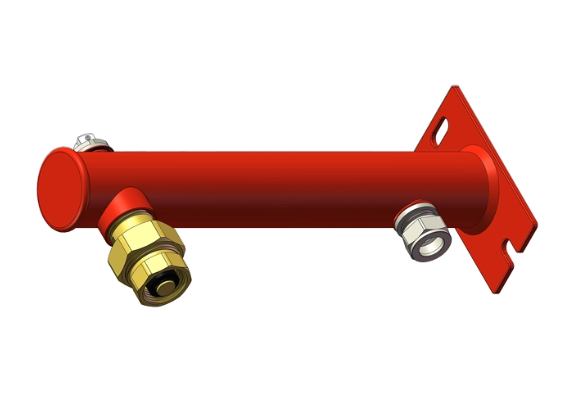
Strengths: Stainless steel is widely recognized for its corrosion resistance and durability. The alloy’s chromium content forms a protective layer, preventing rust and corrosion in environments with high moisture or chemical exposure. Stainless steel is ideal for heavy-duty applications, making it the perfect choice for expansion tank brackets in marine, industrial, and other extreme settings.
Limitations: While stainless steel is incredibly durable, it tends to be more expensive than other materials. Additionally, welding stainless steel can be challenging due to its high melting point.
Application: Stainless steel is the top recommendation for expansion tank brackets due to its strength, corrosion resistance, and versatility.
Strengths: Aluminum is naturally corrosion-resistant and lightweight, making it a cost-effective material for many applications. It forms a protective oxide layer when exposed to moisture, preventing rust. Aluminum alloys like 5052-H32 are particularly resistant to corrosion in marine environments.
Limitations: Aluminum is more susceptible to galvanic corrosion when it comes into contact with other metals, such as steel. It also has lower strength than stainless steel.
Application: Aluminum alloys are suitable for lighter-duty applications and are an excellent choice for expansion tank brackets in environments that don't have extreme saltwater exposure.
Strengths: Galvanized steel offers an affordable corrosion-resistant option due to its zinc coating. This sacrificial layer corrodes before the underlying steel, ensuring protection against rust and degradation.
Limitations: Over time, the galvanized coating may wear off, reducing the material’s corrosion resistance. Galvanized steel may also suffer from lower strength compared to stainless steel.
Application: Galvanized steel is commonly used for outdoor applications, including expansion tank brackets in environments with moderate exposure to moisture and chemicals.
Strengths: Titanium offers exceptional corrosion resistance, particularly in seawater and acidic environments. It’s lightweight, strong, and maintains its integrity in extremely corrosive conditions.
Limitations: Titanium and its alloys come with a high price tag and are challenging to work with due to their hardness and difficulty in welding.
Application: Titanium is best used in the most demanding environments, such as aerospace or marine installations, where expansion tank brackets face extreme corrosion risks.
Strengths: Polypropylene (PP) and polytetrafluoroethylene (PTFE, also known as Teflon) are non-metallic materials that offer excellent corrosion resistance, particularly in chemical environments. Both materials are highly resistant to corrosion from chemicals, oils, and solvents.
Limitations: These materials have lower structural strength compared to metals, limiting their use for heavy-duty applications. They also may not perform well in high-temperature environments.
Application: These non-metallic materials are often used for brackets exposed to harsh chemicals but are not suitable for structural applications like expansion tank brackets.
When selecting a material for expansion tank brackets, several factors should be considered:
Environment: Is the bracket exposed to saltwater, industrial chemicals, or high humidity?
Load-bearing capacity: Will the bracket be subjected to heavy loads or pressure?
Cost vs. long-term durability: Is it more important to reduce initial costs or ensure the bracket’s longevity?
| Material | Corrosion Resistance | Strength | Cost | Application |
|---|---|---|---|---|
| Stainless Steel | Excellent | High | High | Heavy-duty, marine, industrial |
| Aluminum Alloys | Good | Moderate | Low | Lighter-duty, non-salty environments |
| Galvanized Steel | Good | Moderate | Low | Outdoor, moderate exposure to chemicals |
| Titanium | Exceptional | High | Very High | Extreme environments (aerospace, marine) |
| Polypropylene | Good for chemicals | Low | Low | Chemical exposure, non-structural |
For expansion tank brackets, stainless steel often emerges as the best option due to its exceptional balance of strength, corrosion resistance, and versatility. While it may come at a higher upfront cost, its durability and performance under harsh conditions ensure that it will provide reliable service for years to come.
Applying protective coatings such as powder coating, galvanization, or anodization can significantly enhance the lifespan of brackets. These coatings add an extra layer of protection against corrosion, particularly in areas exposed to water, chemicals, or high humidity.
Routine inspections and maintenance can help detect early signs of corrosion or wear. Inspecting the brackets regularly allows for timely repairs or replacements, reducing the risk of failures.
Tip: Schedule periodic checks for expansion tank brackets, especially in high-humidity or chemical-heavy environments, to ensure their continued reliability.
Following industry standards and best practices during installation and maintenance ensures that brackets will perform at their best. Standards help prevent issues related to improper installation, and following proper guidelines guarantees the safety and longevity of your expansion tank brackets.
New materials and alloys are being developed to offer better corrosion resistance for extreme environments. Some industries are exploring high-performance alloys, ceramics, and composite materials to meet the growing demand for corrosion-resistant brackets.
Example: Aerospace and renewable energy industries are at the forefront of developing materials that can withstand extreme conditions.
Sustainability is becoming a key factor in material selection. The growing trend towards sustainable materials involves using environmentally friendly options that don’t compromise performance. Using recycled metals or environmentally conscious coatings is a step toward reducing environmental impact while maintaining functionality.
Choosing the right material for expansion tank brackets is key for long-term reliability and safety in harsh environments. Stainless steel, aluminum alloys, and galvanized steel are all excellent choices, depending on the conditions. Stainless steel is best for demanding applications, while aluminum alloys or galvanized steel are cost-effective options for less extreme environments.
For optimal results, consulting experts like Easywell is recommended. Their high-quality expansion tank brackets offer durability, ensuring reliable performance in harsh conditions.
A: Stainless steel, aluminum alloys, and galvanized steel are the top materials. Stainless steel is particularly recommended for expansion tank brackets in extreme conditions due to its durability and corrosion resistance.
A: Corrosion-resistant materials ensure longevity, safety, and performance. They are crucial in harsh environments, where exposure to chemicals, moisture, or extreme temperatures can otherwise cause premature failure.
A: Yes, aluminum alloys offer good corrosion resistance and are a lightweight, cost-effective choice for expansion tank brackets in less extreme environments or non-salty conditions.
A: Galvanized steel is more affordable but less durable over time than stainless steel. Stainless steel is more reliable for expansion tank brackets in high-demand, corrosive environments.
A: Aluminum alloys are generally more affordable than stainless steel. However, stainless steel provides greater long-term value for expansion tank brackets in harsh environments due to its superior corrosion resistance.
A: Regular inspections, at least quarterly, are recommended. Check for rust, cracks, or wear, especially in environments with high humidity or chemical exposure.


