
Views: 0 Author: Site Editor Publish Time: 2025-10-24 Origin: Site


An expansion tank is essential for controlling pressure in plumbing systems. Without it, pressure buildup can damage pipes or water heaters.
The expansion tank bracket secures the expansion tank, preventing movement and ensuring stable performance. A properly mounted bracket protects both the tank and plumbing system.In this article, you’ll learn about the best practices for installing expansion tank brackets. We’ll cover key techniques and tips to ensure proper setup and maintenance.
Incorrectly mounting an expansion tank bracket can lead to a host of issues, including water leaks and system failures. If the bracket is improperly secured, it can cause the expansion tank to shift, putting undue pressure on the plumbing connections. This can lead to leaks, especially around the tank connections, and create a risk of damage to the water heater. Without a secure bracket, the expansion tank may also fail to absorb thermal expansion adequately, leading to damage to the system.
A correctly mounted expansion tank minimizes wear and tear. Proper mounting reduces unnecessary stress on the tank’s internal components, such as the diaphragm, which could otherwise degrade prematurely. By ensuring that the tank is positioned correctly and remains stable, you can significantly extend its lifespan. Additionally, mounting it properly helps maintain optimal pressure regulation, which keeps the entire system functioning smoothly over time.
Mounting the expansion tank bracket correctly also enhances the safety of your plumbing system. A securely mounted tank ensures that pressure is relieved efficiently, preventing unsafe pressure spikes. It also eliminates the risk of the tank becoming dislodged, which could cause leaks or damage to surrounding fixtures. A well-mounted expansion tank will improve overall system efficiency by maintaining consistent water pressure, preventing unnecessary energy loss or mechanical strain.
The expansion tank bracket comes in several styles, including bowed, round, and square. Each style is designed for different environments:
| Bowed Bracket | Ideal for wet environments, like basements, due to its corrosion-resistant properties. |
| Round Bracket | Commonly used in commercial or industrial applications where heavy-duty support is required. |
| Square Bracket | Best suited for residential applications, particularly in tight spaces where space-saving designs are necessary. |
Each style has its benefits, depending on the specific needs of the system. For example, a sealed bowed bracket is perfect for damp areas, while a square one works well in confined residential spaces.
The location of the expansion tank bracket is just as important as the bracket itself. The bracket should be mounted close to the cold-water line for optimal pressure regulation. This allows the expansion tank to absorb thermal expansion effectively before the water reaches the water heater.
Another critical factor to consider is clearance. Ensure that the bracket has at least 18 inches of clearance from the vent connector to allow proper air circulation and prevent any interference with nearby systems. Proper placement of the expansion tank also ensures easy access for maintenance and inspections in the future.
Before mounting the expansion tank bracket, it’s essential to prepare the wall. The surface needs to be strong enough to support the weight of the expansion tank. If the wall is not solid, it’s advisable to use anchors or additional support like wooden boards to strengthen the area.
The correct tools are also necessary for installation. You’ll need a drill, screws, anchors, a tape measure, and a marker to mark the exact location. Having the proper materials ensures a stable and secure installation.
Before starting any installation, always turn off the water supply and disconnect the power to your water heater. This step ensures that you’re not exposed to electrical hazards and prevents any accidental leaks or water damage during installation.
Use a tape measure to find the optimal spot for the bracket. It should be placed close to the cold-water supply line, with enough space for the tank and piping. Mark the location of the mounting holes carefully to ensure that everything lines up correctly when you install the bracket.
Next, use a drill to create holes in the wall for screws or anchors. If you're working with concrete or other tough materials, be sure to use the appropriate anchors for a secure hold. Once the holes are drilled, mount the bracket and test it for stability by checking that it’s level and firmly attached to the wall.
After securing the bracket, carefully attach the expansion tank. Ensure that the air valve is facing upward to maintain proper functionality. The tank should sit snugly in the bracket without wobbling. If necessary, use the adjustable arms or straps provided in your bracket kit to secure the tank tightly.
Now it’s time to connect the piping. Start by installing a dielectric union on the cold-water line to prevent corrosion between metals. Use a brass tee fitting to connect the tank to the main water line. Make sure that the connections are tight but not over-tightened, as this could damage the fittings or pipes. After making all the connections, check for leaks before proceeding.
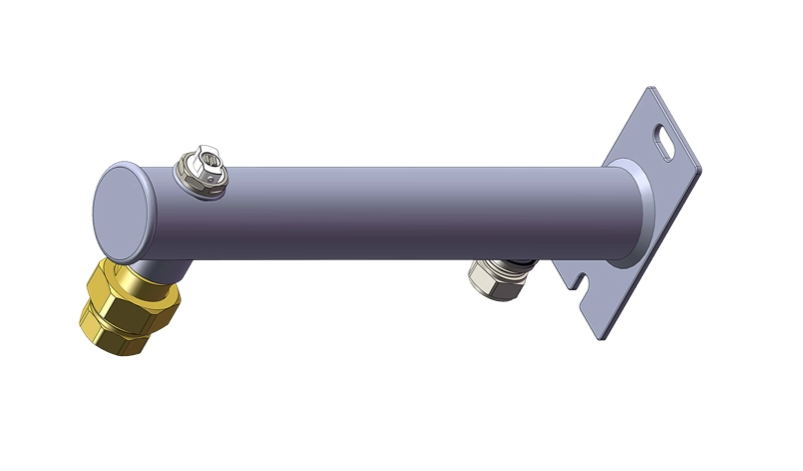
It’s important to regularly check for leaks or any signs of tank movement. Over time, the fittings can loosen or the tank can shift out of place. Ensure that all connections are secure and that the tank remains in a stable position.
The pressure inside the expansion tank is crucial for its proper functioning. Use a tire pressure gauge to check the air pressure in the tank, ensuring that it matches your home’s water pressure (typically between 50–75 psi). If the pressure is too low or too high, adjust it accordingly to maintain optimal performance.
Some common issues with expansion tanks include leaking, noisy systems, or improper pressure. Leaks can often be fixed by tightening fittings or replacing worn-out seals. Noisy systems may require checking for air pockets or ensuring that the tank is positioned correctly. Always check for these signs regularly to ensure that your system is operating efficiently.
Leaks at the fittings are a common issue. These often occur due to loose connections or degraded seals. Tighten the fittings carefully, and if the leak persists, consider replacing the seals or gaskets.
If the expansion tank isn’t sitting securely in the bracket, it can lead to instability and system inefficiencies. Check the bracket to ensure it’s mounted correctly and adjust the tank’s position if necessary.
If you notice pressure spikes or drops, it could be due to incorrect air pressure in the expansion tank. Use a tire pressure gauge to ensure that the pressure is within the recommended range. Adjust the air pressure using an air pump, ensuring that it matches the system’s pressure.
The cost of installing an expansion tank bracket can vary depending on factors like the type of bracket, location, and whether you’re hiring a professional plumber. On average, installation costs range from $30 to $70 for the bracket itself, with additional costs for labor if you hire a professional.
When selecting an expansion tank bracket, consider the long-term value. A high-quality, durable bracket might cost a little more upfront but will save you money on repairs and replacements in the future. Corrosion-resistant brackets, such as those made from stainless steel, provide extra longevity, especially in humid or damp environments.
Proper installation of the expansion tank bracket can save you money in the long run by preventing leaks, water damage, and pressure-related issues. By securing the tank correctly, you ensure that your water heater and plumbing system run efficiently, extending their lifespan and reducing the need for costly repairs.
Proper installation of the expansion tank bracket is crucial for the long-term success of your water heating system. A well-secured bracket prevents leaks, reduces wear on the tank, and improves system safety and efficiency.
Whether you choose to install it yourself or consult a professional, ensure the bracket is properly mounted. For added reliability, products like those offered by Easywell provide strong, durable solutions for all your expansion tank needs, ensuring peace of mind and long-term system performance.
A: An Expansion Tank Bracket secures the expansion tank to the plumbing system, preventing movement. It ensures the tank absorbs pressure efficiently, protecting your plumbing and water heater from damage.
A: Proper installation involves selecting the right bracket style, mounting it near the cold-water line, ensuring clearance, and securing it firmly to a strong wall. Always follow safety protocols and use appropriate tools.
A: If you have basic plumbing skills and the right tools, you can install the Expansion Tank Bracket yourself. However, if you’re unsure, it’s best to consult a professional plumber for a proper installation.
A: A high-quality Expansion Tank Bracket prevents leaks, minimizes wear on the tank, enhances system efficiency, and extends the lifespan of your water heater.
A: The cost to install an Expansion Tank Bracket varies depending on the bracket type and professional labor fees. On average, it costs $30–$70 for the bracket, plus installation fees if hiring a plumber.
A: Common issues include loose fittings, improper mounting, or pressure problems. If the tank isn't securely mounted, it can shift, causing leaks or strain on the system.


