
Views: 0 Author: Site Editor Publish Time: 2025-11-06 Origin: Site


An expansion tank is crucial for protecting your plumbing system from pressure buildup caused by heated water. Installing an expansion tank bracket ensures this vital component stays securely in place. Without it, you risk leaks, bursts, or system failure.
In this DIY guide, we’ll walk you through the steps to install the expansion tank bracket. By doing it yourself, you'll save money, enhance system efficiency, and avoid costly repairs.
An expansion tank is a small, yet vital device that helps manage the pressure in a closed-loop plumbing system. Water naturally expands as it heats up, creating increased pressure. In an open system, the excess volume can flow back into the municipal supply, but in a closed system, it has nowhere to go. Without a designated space to absorb this pressure, plumbing systems can suffer from leaks, damage, or even total system failure. The expansion tank provides that space, allowing water to expand safely.
To ensure your expansion tank works efficiently, it must be securely mounted in place. The expansion tank bracket serves as the support system for the tank, keeping it stable and preventing unnecessary movement that could cause stress on the plumbing system. A properly mounted tank is less likely to leak or fail, extending the lifespan of both the tank and the plumbing infrastructure.
Neglecting to install an expansion tank or secure it properly can lead to several plumbing issues. The most common problems include:
Leaking pipes: Unregulated pressure can cause joints and pipes to leak.
Burst pipes: Excess pressure from expanding water may cause pipes to rupture.
Pressure relief valve failure: Without an expansion tank, the pressure relief valve could activate more frequently, potentially leading to malfunctions or increased wear.
Before you begin the installation, make sure you have the following tools on hand:
Pipe Wrench or Adjustable Wrench: To tighten pipe fittings securely.
Screwdrivers: For securing screws on the bracket.
Pipe Cutter: If adjustments to the plumbing are necessary.
Level: To ensure the bracket is mounted correctly and evenly.
For a successful installation, you’ll need:
Expansion Tank Bracket: A sturdy bracket designed to support the expansion tank.
Mounting Hardware: Screws, anchors, and other fasteners to secure the bracket.
Expansion Tank: Choose the correct size based on your water heater’s capacity.
Pipe Fittings and Seals: Use Teflon tape or pipe dope to ensure leak-free connections.
While installing your expansion tank bracket, follow these safety measures:
| Turn off water and power | Always shut off the water supply and power to the water heater to avoid electrical hazards. |
| Wear safety goggles and gloves | Protect your eyes and hands during installation. |
| Use a stable ladder | Ensure the ladder is secure when working at height to install the bracket. |
Before starting the installation, you must turn off the water supply to avoid pressure buildup during the process. Locate the main shutoff valve and turn it to the off position. Next, relieve the system’s pressure by opening a hot water faucet until water flow slows to a trickle. This ensures a safe and smooth installation.
Once the system is depressurized, you can position the expansion tank. Place the tank in a location near the water heater, ensuring it is within reach of the bracket. The tank should be installed vertically for optimal performance, unless space constraints require a horizontal installation (which we will cover in more detail later).
The expansion tank bracket must be securely mounted to the wall or nearby plumbing. Mark the spots for screws, ensuring the bracket is level. Drill pilot holes and insert anchors if necessary, then attach the bracket using the appropriate screws. Check that the bracket is firmly secured to prevent any movement once the expansion tank is mounted.
Now, you can attach the expansion tank to the bracket. Thread the expansion tank’s fitting onto the pipe fitting, using plumber’s tape on the threads for a watertight seal. Tighten it by hand, but be cautious not to overtighten. Once the tank is securely in place, check all connections for leaks before proceeding.
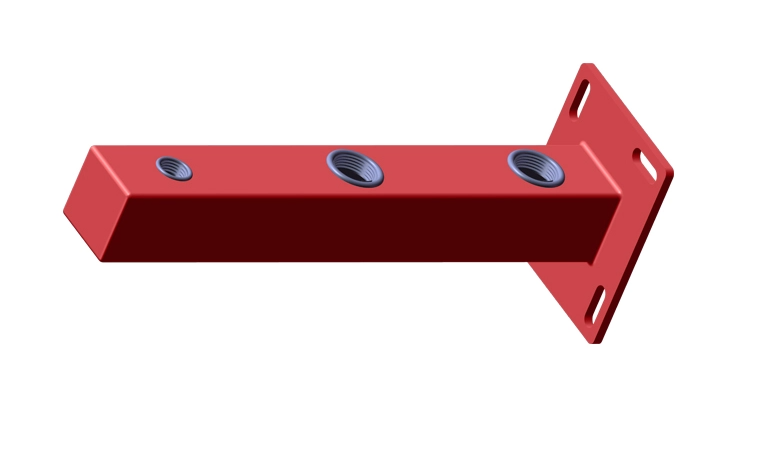
If you’re struggling with the alignment or space for the bracket, try adjusting the positioning slightly. For tight spaces, opt for a horizontal mounting solution and ensure the bracket can still support the weight of the expansion tank.
Leaks are a common issue when installing expansion tanks. If you notice leaks, check the pipe fittings and tighten them using a wrench. If the leaks persist, disassemble the connection and reapply plumber’s tape or pipe dope to the threads for a better seal.
Ensure the expansion tank’s pressure is properly calibrated. Use a tire pressure gauge to check the pre-charged pressure in the tank. The tank should be set to 5-10 psi higher than your home’s water pressure. Adjust the air pressure using an air pump before installation.
While vertical installation is generally preferred, horizontal installation is sometimes necessary when space is limited. If you choose to install the expansion tank horizontally, it is essential to use a bracket or strap for additional support. This will prevent the weight of the tank from causing strain on the connections.
In cases where space around the water heater is limited, or where the plumbing system requires a horizontal configuration, installing the expansion tank bracket horizontally ensures the tank remains functional while saving space. Always ensure the tank is securely mounted to avoid damage over time.
To ensure your expansion tank continues to function properly, inspect it regularly for signs of wear, leaks, or corrosion. Check the pressure at least twice a year to ensure it remains within the correct range. Look for moisture around the connections, which may indicate a leak.
Occasionally, the bracket may loosen or shift. During your inspections, check the bracket’s stability and ensure all screws and fasteners are secure. Tighten the connections if necessary.
If the expansion tank shows signs of wear or the bracket becomes loose or damaged, it’s time for a replacement. Regular maintenance will help extend the lifespan of both the expansion tank and the bracket, preventing costly repairs in the future.
Installing an expansion tank bracket is a simple DIY project that saves both time and money. By securing the expansion tank, you'll protect your plumbing system from pressure buildup and avoid costly damage. Regular maintenance ensures long-term system efficiency.
Taking on this DIY project not only saves on installation costs but also deepens your understanding of your plumbing. For quality, reliable products, consider Easywell and their Compact Square Expansion Tank Bracket, designed for small-scale systems, offering both durability and ease of installation.
A: An expansion tank bracket is a mounting system that secures your expansion tank to prevent movement, ensuring it functions properly without damaging your plumbing system.
A: Yes, installing an expansion tank bracket is a simple DIY task. With basic tools, you can safely and effectively install it to secure your expansion tank.
A: The cost of an expansion tank bracket typically ranges from $10 to $30, depending on the size and material. It’s an affordable option for securing your system.
A: If you notice a leak, check the connections on the expansion tank bracket for tightness. If the leak continues, inspect the expansion tank itself for damage.
A: Properly securing the expansion tank bracket ensures stability, preventing damage to your plumbing system and ensuring the expansion tank absorbs pressure as intended.


