
Views: 0 Author: Site Editor Publish Time: 2025-12-15 Origin: Site


Water heaters are essential, but they can cause pressure build-up in plumbing. When water heats, it expands, increasing pressure. This can lead to serious damage. Thermal expansion tanks prevent this problem.
In this article, we’ll explore the role of thermal expansion tanks, why they are necessary, and how they protect your water heater.
You’ll learn how a thermal expansion tank can extend the life of your plumbing and save you money. At Easywell, we offer reliable thermal expansion tanks to keep your system safe. Learn more about our products.
Thermal expansion is the physical increase in the volume of water as it is heated. As water molecules gain heat, they vibrate more rapidly and occupy more space, leading to the water expanding. In an open system, this expanded water can simply flow out. However, in a closed plumbing system, like those used in most homes, the expanded water has no escape route, which causes an increase in pressure within the system.
Water heaters heat large volumes of water for daily use. As this water heats up, it expands, and without an adequate way to relieve the pressure, the system is at risk. The increase in pressure can damage various components of the plumbing system, including the water heater, pipes, and valves. Over time, this pressure can cause leaks, rupture pipes, or even damage the water heater itself. Managing this pressure is crucial to ensure the longevity and efficiency of your water heater and plumbing system.
If thermal expansion is not properly managed, it can lead to severe consequences. The excess pressure from expanded water can cause leaks, ruptures, or failure of valves, including the temperature and pressure relief valve (T&P valve), a critical safety feature. Over time, this constant strain can result in premature wear on pipes, water heaters, and other plumbing fixtures. This leads to the need for costly repairs or even a full replacement of the system. Therefore, controlling thermal expansion is vital to preventing damage and ensuring the safe and efficient operation of your water heater and plumbing system.
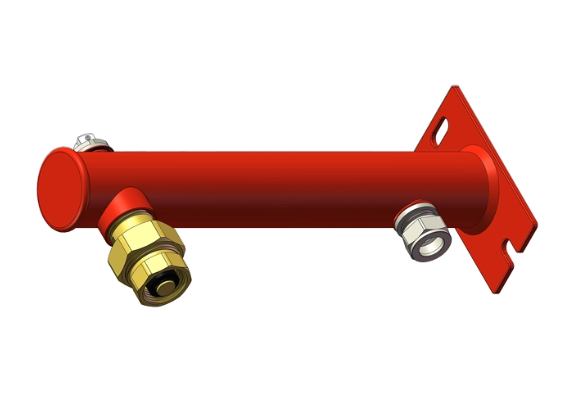
A thermal expansion tank is a small device designed to absorb the extra volume of water caused by thermal expansion in your plumbing system. It consists of two chambers: one filled with air and the other with water. When water is heated, it expands. The excess water enters the expansion tank, compressing the air chamber and relieving pressure build-up in the system.
Benefit | How It Helps | Impact on System |
Pressure Relief | Absorbs extra volume due to thermal expansion | Reduces pressure build-up, preventing system failure |
Protection for Plumbing | Prevents damage to water heater, pipes, and fixtures | Extends the lifespan of your plumbing system |
Enhanced Water Heater Lifespan | Less stress on water heater components due to controlled pressure | Reduces the frequency of costly repairs |
The primary function of a thermal expansion tank is to absorb the additional pressure caused by the expanded water. Without this device, pressure can build up within the system, leading to damage to the water heater, pipes, and fixtures. By absorbing excess pressure, the expansion tank ensures that the plumbing system remains intact.
By absorbing the expansion caused by heated water, thermal expansion tanks reduce the stress on your plumbing system. This reduces wear on your water heater and plumbing components, extending their lifespan. Ultimately, it saves homeowners from expensive repairs or replacements, keeping the system running smoothly for longer.
Without a thermal expansion tank, the increased pressure caused by thermal expansion can lead to serious issues with your water heater. As the water in your system expands, the pressure increases within the tank and pipes. This pressure build-up can cause the water heater to malfunction, potentially resulting in leaks, ruptures, or even the failure of the temperature and pressure relief valve (T&P valve). The T&P valve is designed to protect the system by releasing pressure, but excessive activation due to unregulated pressure can render it ineffective, putting your water heater at risk of catastrophic failure.
The pressure caused by thermal expansion doesn't just affect the water heater—it can also damage your pipes and plumbing fixtures. Over time, this continuous pressure can weaken pipe joints, causing cracks or even complete ruptures. Additionally, faucets and other plumbing fixtures may suffer wear, leading to leaks and frequent repairs. These issues can add up to significant costs for homeowners, making the installation of a thermal expansion tank an essential preventative measure.
A crucial safety feature in water heater systems is the temperature and pressure relief valve (T&P valve). If thermal expansion is left unchecked, the valve may activate too frequently, which can cause it to wear out prematurely. Once the valve begins to fail, it may no longer function properly, leaving the water heater system vulnerable to dangerous pressure levels. A thermal expansion tank mitigates this risk by absorbing excess pressure, ensuring that the T&P valve only activates when necessary, and protecting the entire system from potential failure.
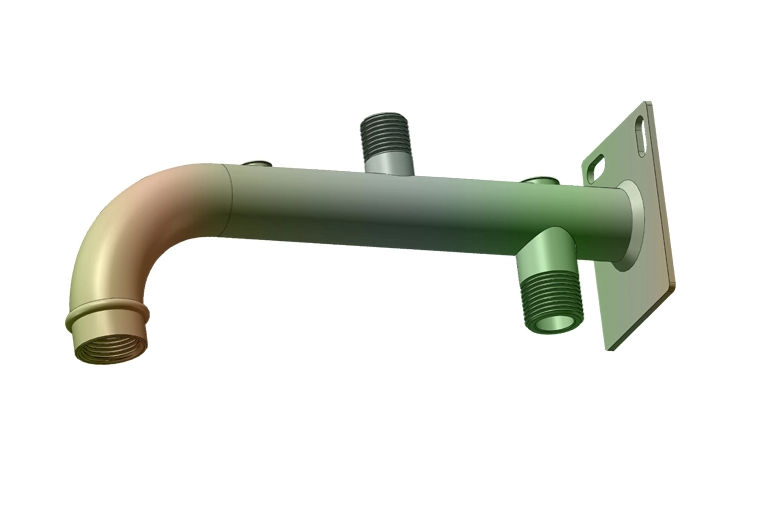
Thermal expansion tanks consist of a steel body, a bladder or diaphragm, and a Schrader valve. The bladder or diaphragm separates the water and air chambers, ensuring that the water remains in the designated chamber and doesn’t mix with the air.
Component | Function | Purpose |
Steel Body | Provides the structural casing for the tank | Protects internal components and ensures durability |
Bladder or Diaphragm | Separates water and air chambers | Prevents water from entering the air chamber, ensuring effective pressure relief |
Schrader Valve | Allows for pressure adjustments | Ensures proper air pressure, allowing for system maintenance and checks |
When water in the heater expands, the excess volume enters the expansion tank. The air in the tank is compressed, relieving the pressure in the closed system. This mechanism helps maintain a safe pressure level in the plumbing system.
The diaphragm or bladder inside the expansion tank ensures that the water and air remain separate. This separation allows the air to compress without coming into contact with the water, providing efficient pressure relief.
A thermal expansion tank plays a crucial role in absorbing the extra pressure caused by thermal expansion. This proactive approach helps protect your water heater and plumbing system by preventing damage. By managing the pressure, it reduces the risk of leaks, ruptures, and valve failures that could otherwise result in costly repairs or even system failure.
By stabilizing the pressure within the system, a thermal expansion tank ensures that your water heater operates more efficiently. When pressure remains balanced, the water heater doesn't have to work as hard to maintain optimal performance. This efficiency leads to a reduction in energy consumption and, over time, lower utility bills.
Installing a thermal expansion tank offers peace of mind to homeowners by ensuring that the pressure within the system is effectively managed. With the added protection, you can rest assured knowing that your water heater, plumbing, and fixtures are less likely to suffer from thermal expansion-related damage. This reduces the stress of unexpected issues, giving you confidence that your system is operating smoothly and reliably.
Scenario | Without Thermal Expansion Tank | With Thermal Expansion Tank |
Water Heater Repairs | Higher frequency of repairs | Reduced frequency of repairs |
Plumbing System Damage | Increased risk of leaks, ruptures | Reduced risk of leaks, minimal damage |
Energy Efficiency | Potential inefficiency due to pressure fluctuations | Improved system efficiency and stability |
While installing a thermal expansion tank yourself is possible, it is generally recommended to hire a professional plumber for the job. A plumber ensures that the right size tank is chosen for your water heater and that the installation is done correctly. Proper installation is critical for maintaining optimal pressure levels and preventing system damage. Professionals can also assess your plumbing system to ensure the tank is compatible with the existing setup.
Thermal expansion tanks are low-maintenance devices. However, it is essential to check the air pressure inside the tank regularly to ensure the system operates correctly. Over time, the air chamber can become waterlogged, which reduces its effectiveness. In such cases, the tank may need to be replaced. Regular maintenance will help keep the system running smoothly and extend the life of your plumbing components.
Choosing the right size for your thermal expansion tank is crucial to its effectiveness. The size depends on factors such as your water heater's capacity, the water pressure in your plumbing system, and the specific requirements of your household. Installing the wrong size can result in inadequate pressure relief or excessive strain on the system. A professional plumber can accurately size the expansion tank, ensuring it meets the demands of your system and provides optimal protection.
When selecting a thermal expansion tank, it's important to evaluate the various models available. Some tanks are designed for high-capacity systems, such as commercial setups or large homes, while others are smaller and more suitable for residential water heaters. The size and capacity of the expansion tank must match the specific needs of your system to ensure optimal pressure relief and efficient operation. The correct model will help protect the plumbing system effectively while maintaining system efficiency.
Not all thermal expansion tanks are compatible with every plumbing system. Before purchasing one, you must ensure that the expansion tank is compatible with your home’s water heater and plumbing configuration. Some tanks are designed for specific types of water heaters or plumbing setups. Consulting a professional plumber before making a purchase will help ensure you select the right model. A professional can also assess your home’s water pressure and capacity needs to ensure that the tank performs effectively and provides long-lasting protection for your plumbing system.
Thermal expansion tanks are essential for protecting your water heater and plumbing system. They help absorb excess water volume, prevent leaks, and extend the lifespan of your system. Installing one is a smart investment to safeguard your plumbing and reduce long-term costs.
By adding a thermal expansion tank, you’re proactively preventing damage. This simple, affordable solution helps maintain your plumbing’s efficiency, reduces wear, and avoids costly repairs.
At Easywell, we offer high-quality thermal expansion tanks that ensure your water heater system remains safe and efficient. Our products provide the protection you need for a smooth-running plumbing system.
A: A thermal expansion tank helps absorb the extra pressure caused by water expansion in your plumbing system, preventing damage to your water heater and pipes.
A: Thermal expansion tanks protect your water heater and plumbing by managing the pressure build-up caused by heated water, preventing costly repairs and leaks.
A: If your home has a closed plumbing system, a thermal expansion tank is necessary to prevent pressure damage to your water heater and plumbing.
A: The cost of installing a thermal expansion tank can vary, but it is generally an affordable investment that helps prevent more expensive water heater repairs in the long run.


