
Views: 0 Author: Site Editor Publish Time: 2025-12-15 Origin: Site


Choosing the right expansion tank bracket is vital for system stability. How do you decide between bowed, round, or square brackets?Each design impacts your system's performance differently. This article explains the pros and cons of each type.In this article, you’ll learn how to choose the best bracket. We’ll also show how Easywell's products offer lasting solutions.
Bowed expansion tank brackets feature a curved, robust design that helps evenly distribute the weight of the expansion tank. These brackets are well-suited for environments where moisture or chemical exposure could affect the longevity of your system components.
● Corrosion-resistant: Perfect for environments with high humidity or saline exposure, like coastal regions.
● Space-efficient design: The bowed structure helps save space while providing reliable support for the tank.
● Wet environments, like boiler rooms, bathrooms, or shower-room boiler closets.
● Ideal for marine installations, food production lines, or areas exposed to chemical vapors.
Round brackets are circular, providing stability and evenly distributing the weight of the expansion tank. They are generally used in commercial or industrial systems, where heavy-duty support is essential.
● Adjustability: Round brackets are often adjustable to accommodate various tank sizes.
● Even weight distribution: Ideal for supporting larger tanks or systems with high pressure demands.
Commonly used in industrial HVAC systems and larger commercial installations requiring maximum support.
Square brackets offer a compact design that fits well in smaller spaces, making them ideal for residential systems. They provide reliable stability for smaller tanks in confined areas.
● Compact design: Space-saving and well-suited for tight residential spaces.
● Sturdy support: Provides reliable support for smaller, lighter systems.
● Perfect for residential systems or locations where space is limited, such as closets or attics.
Bracket Type | Design | Advantages | Best Use Cases |
Bowed | Curved, distributes weight evenly | Corrosion-resistant, space-efficient | Wet environments, marine, food production lines |
Round | Circular, adjustable clamps | Flexibility for various tank sizes, heavy-duty support | Commercial HVAC, industrial systems |
Square | Compact, rigid design | Space-saving, sturdy support for smaller tanks | Residential systems, tight spaces |
When choosing the right expansion tank bracket, several critical factors must be taken into account to ensure the system operates efficiently and remains durable over time.
● System Size: It's crucial to choose a bracket that aligns with the size of your expansion tank. The bracket should be able to support the tank's weight and maintain proper alignment to ensure optimal performance.
● Environmental Conditions: If your system is in a humid or corrosive area, such as a basement, boiler room, or near saltwater, it’s essential to opt for corrosion-resistant options. Stainless steel or epoxy-coated designs are ideal for areas where moisture or chemical exposure is prevalent, as they can help extend the lifespan of your system.
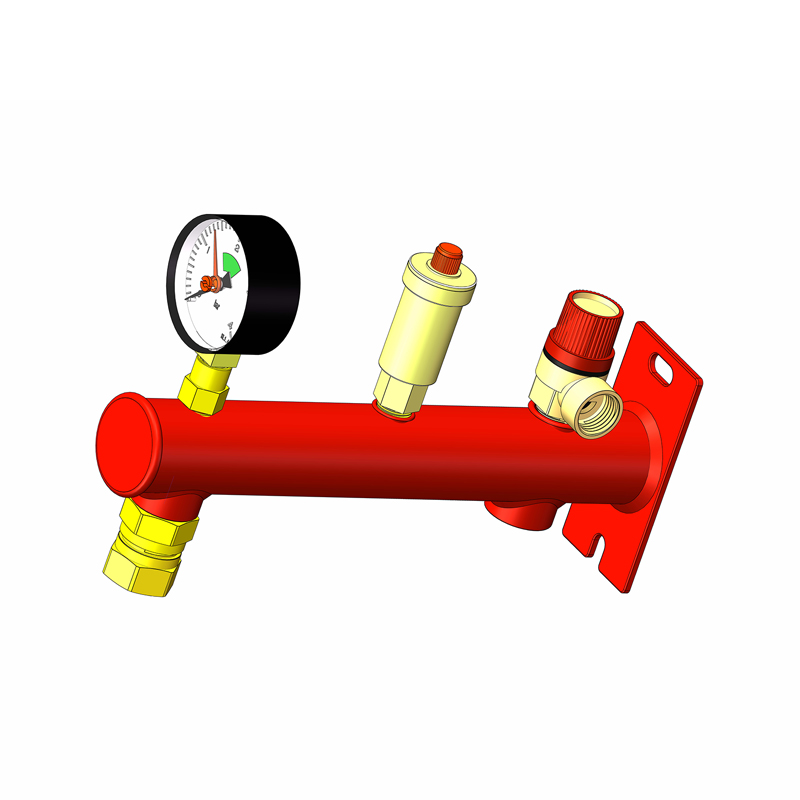
The design of your expansion tank bracket plays a significant role in the system’s stability and performance. Depending on the environment, the weight of the tank, and available space, one design may be more suitable than others.
● Bowed Brackets: These are ideal for wet, humid, or corrosive environments. Their curved design allows for even distribution of weight, making them the perfect choice when dealing with chemical exposure or moisture-heavy environments. They also provide a space-saving option without sacrificing support.
● Round Brackets: These brackets are highly flexible and adaptable. Round brackets are ideal for standard residential systems, offering easy installation and adjustable clamps. This design is particularly well-suited for systems requiring variable tank sizes or those needing a more secure hold.
● Square Brackets: The square bracket design is excellent for space-saving installations, especially in modular or smaller systems. Square brackets are perfect for ensuring rigid support and stability, even in tight spaces where the bracket needs to fit securely without taking up too much room.
Selecting the appropriate material for your expansion tank bracket is essential for ensuring durability, stability, and long-term efficiency in your system.
● Stainless Steel: This material is known for its superior durability and rust resistance, making it ideal for use in industrial environments or areas exposed to high moisture. Stainless steel brackets can withstand harsh conditions, making them a top choice for systems exposed to frequent water exposure, such as marine environments or coastal settings.
● Zinc-plated Carbon Steel: Zinc-plated carbon steel is a cost-effective option, offering good durability and corrosion resistance. This material is commonly used for residential and light-commercial applications. While it may not offer the same level of protection as stainless steel, it provides reliable performance in less demanding environments.
● Powder-coated Steel: Powder-coated steel offers a blend of corrosion resistance and strength, making it perfect for systems that require a stable and durable bracket, particularly in compact or modular setups. The coating protects the steel from environmental elements while ensuring long-lasting performance.
Factor | Why It Matters | Recommended Bracket Type |
System Size | Ensures the bracket is the right fit for the expansion tank. | Round for larger tanks, Square for smaller tanks |
Environmental Conditions | Affects material choice for durability. | Bowed for wet or humid areas, Round for industrial environments |
Space Constraints | Determines the compactness of the bracket. | Square for tight spaces, Bowed for medium spaces with moisture exposure |
Load Capacity | Ensures the bracket can handle the system’s pressure. | Round for heavy-duty support, Square for standard residential systems |
Bowed brackets are an excellent choice for wet areas like basements, boiler rooms, or shower-room installations. Their curved design helps distribute the weight evenly, making them highly efficient in spaces where moisture is a concern. Corrosion protection is a key benefit, ensuring that the brackets withstand environmental stress, especially in humid and chemical-rich environments. These brackets also offer space efficiency, which is particularly valuable when installing systems in smaller or tighter spaces.
Round brackets are designed to handle larger, more robust expansion tanks, making them ideal for industrial setups and commercial systems. Their circular design provides adjustability, allowing them to support tanks of various sizes. This flexibility makes them perfect for environments that require heavy-duty support, such as HVAC systems or large heating loops. Round brackets are also widely used in systems with high-pressure demands, ensuring reliable and stable performance over time.
For residential systems, square brackets are the preferred choice. Their compact design makes them ideal for small or tight spaces where every inch of room matters. Square brackets provide a sturdy and reliable solution for expansion tanks, ensuring they remain stable even in confined areas like attics, closets, or under-counter installations. This space-saving feature, coupled with their ease of installation, makes square brackets a top choice for home heating systems and smaller applications.
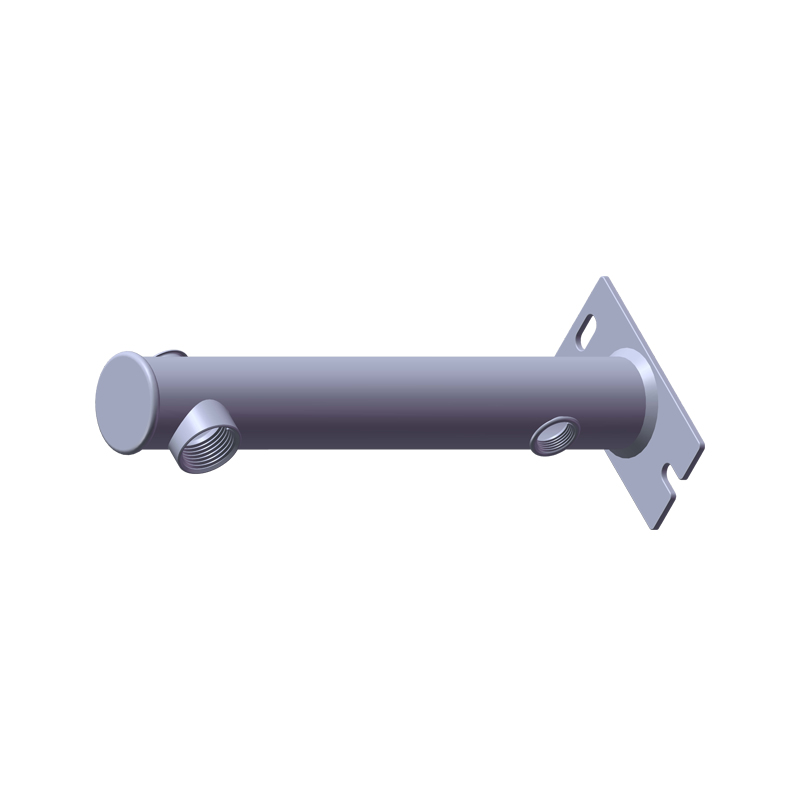
Regular inspection of expansion tank brackets is crucial to ensure they stay secure, functional, and stable. Early detection of issues like warping, corrosion, or leaks can prevent major system failures and costly repairs, saving both time and money. Keeping brackets in good condition ensures optimal performance and extends the lifespan of the entire hydronic system.
● Warping: Bent or distorted brackets may cause instability.
● Cracks: Visible cracks could indicate structural weakness.
● Rust or Leaks: Rusted or leaking brackets are signs of corrosion.
● Movement or Instability: If the expansion tank moves, the bracket may be misaligned or loose.
● Inspect brackets at least once a year or after any major system changes. This helps identify any developing issues before they escalate.
● Tighten all connections: Make sure all fasteners and supports are properly secured to avoid bracket slippage or failure.
● Use corrosion-resistant materials in humid or chemical environments to prevent rust and degradation over time.
● Install brackets in easily accessible locations to make regular checks easier and more efficient. This ensures you can maintain and inspect them without difficulty, reducing the likelihood of missing minor issues before they grow into major problems.
Investing in high-quality expansion tank brackets may have a higher upfront cost, but it can lead to significant savings in the long term. By reducing the need for replacements, minimizing downtime, and preventing system failures, premium brackets provide better value over time.
● Increased risk of system instability: Low-quality brackets are more prone to failure, leading to more frequent repairs or replacements.
● Higher long-term operational costs: These brackets can cause inefficiencies in system performance, leading to increased energy consumption and higher maintenance costs.
● Better corrosion resistance and durability: Premium brackets, such as those made of stainless steel, last longer and resist corrosion, leading to fewer maintenance issues and lower costs over time.
● Reduced downtime and a longer lifespan: Investing in high-quality brackets minimizes the chances of unexpected system failures, ensuring smooth operation for longer periods.
While premium brackets offer significant long-term benefits, square expansion tank brackets provide a cost-effective solution for residential systems. They offer reliable performance at a lower upfront cost while still providing durability and stability. For larger commercial or industrial systems, however, investing in round or bowed brackets ensures better support, especially in harsh environments, and delivers superior performance over time.
Material | Cost | Durability | Best Use Cases |
Stainless Steel | High | Very high corrosion resistance | Marine environments, chemical exposure |
Zinc-plated Carbon Steel | Moderate | Good corrosion resistance | Residential and light-commercial systems |
Powder-coated Steel | Low | Moderate corrosion resistance | Budget-friendly solutions for mild conditions |
Installing expansion tank brackets correctly is crucial to maintaining the efficiency and stability of the hydronic system. A properly installed bracket ensures that the expansion tank is held securely, preventing any movement or misalignment that could cause system imbalances or unnecessary wear.
To maximize system efficiency, always ensure that the bracket is aligned properly and securely fastened to prevent instability.
● Use leveling tools: Ensure the bracket is aligned correctly to avoid any pressure imbalances in the system.
● Tighten all screws or fasteners: Follow the manufacturer's recommended torque settings to secure the bracket in place. This will prevent future loosening or instability.
● Check for stability: After installation, gently shake the expansion tank to ensure it is firmly supported and will not move during system operation.
Even minor mistakes during installation can lead to issues like leaks, instability, and reduced system performance. To ensure longevity and reliability, avoid the following common mistakes:
● Not securing the bracket tightly enough: Failing to tighten screws or fasteners can result in leaks or instability over time.
● Using the wrong bracket size: A bracket that is too small or too large for the expansion tank can cause misalignment and lead to system malfunctions. Ensure the bracket fits the tank's size and weight.
Choosing the right expansion tank bracket—whether bowed, round, or square—is essential for system efficiency and longevity. Each design serves a unique purpose depending on system size, environmental conditions, and available space. For environments exposed to moisture or chemicals, selecting high-quality, corrosion-resistant expansion tank brackets ensures long-term reliability. Regular maintenance and selecting the right materials can save time, reduce repair costs, and improve overall system performance. Easywell's high-quality products offer durable solutions for any system, ensuring efficiency and stability.
A: Bowed expansion tank brackets are curved for even weight distribution, ideal for wet environments. Round brackets offer flexibility and are perfect for larger tanks. Square brackets are compact and provide stability in tight spaces.
A: Consider your system's size, environmental conditions, and space. Bowed brackets are great for corrosive areas, round brackets for flexibility, and square brackets for space-saving solutions.
A: Stainless steel is ideal for durability in harsh environments. Zinc-plated carbon steel is cost-effective for residential systems, while powder-coated steel provides corrosion resistance for modular setups.


