
Views: 0 Author: Site Editor Publish Time: 2025-12-15 Origin: Site


When receiving manifolds for your HVAC or plumbing system, careful inspection is crucial. Manifolds distribute fluids like water, refrigerants, or air. A faulty manifold can lead to inefficiency, leaks, or system failure.
In this article, we’ll guide you through the key inspection steps. You’ll learn what to check to ensure the manifold meets specifications and works effectively. For reliable manifolds, Easywell’s products offer excellent performance. Learn more about our products.
The first step when receiving a manifold is to conduct a visual inspection. This helps catch any obvious defects that may affect the manifold’s performance. Identifying issues early on can prevent more significant problems later, ensuring your system operates efficiently and reliably.
Inspect the manifold for any visible cracks, dents, or deformations. Even minor damage can compromise the manifold’s ability to handle the required pressure and flow rates. Such defects may lead to inefficiency, poor system performance, or even component failure over time. If you notice any physical damage, consider returning or replacing the manifold.
Corrosion can be a significant concern, especially for systems exposed to moisture, chemicals, or high humidity. Check the manifold for signs of rust or any form of corrosion, especially at connection points. Corrosion can weaken the manifold’s structure and shorten its lifespan. Manifolds made from materials like stainless steel or epoxy-coated steel are designed to resist corrosion, making them suitable for harsh environments where exposure to moisture and chemicals is common.
It's important to verify the material used in the manifold’s construction. Manifolds can be made from various materials, including carbon steel, stainless steel, and plastic. Stainless steel is ideal for environments exposed to moisture or chemicals, offering both durability and corrosion resistance. Carbon steel is well-suited for high-pressure applications, while plastic manifolds are commonly used in low-pressure systems. Ensure that the material chosen is appropriate for the demands of your specific system to ensure optimal performance and longevity.
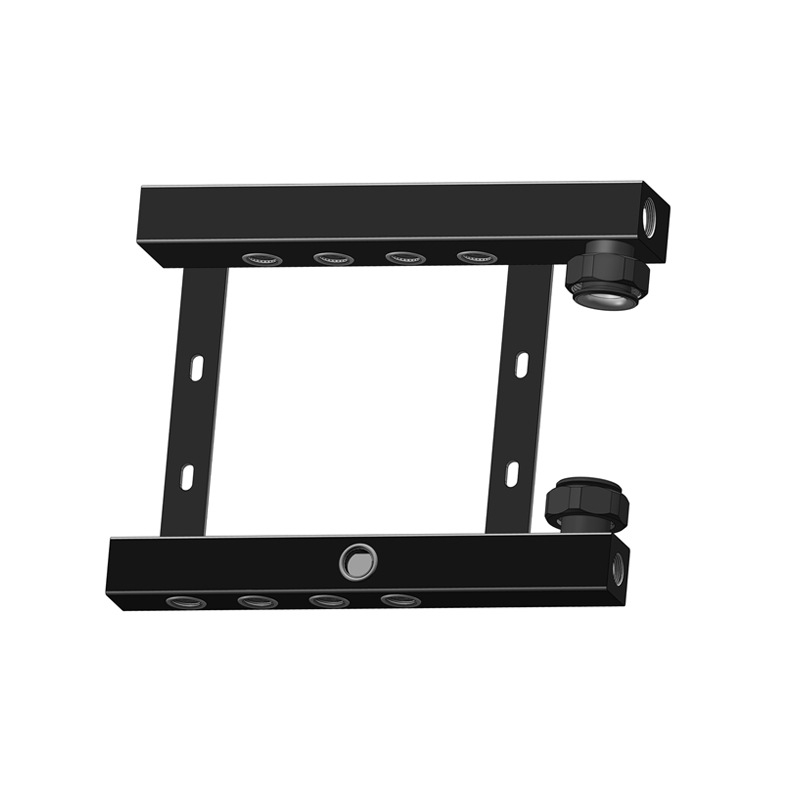
Ensuring that the manifold fits properly into your system is critical for its effective operation. Proper sizing and compatibility are key factors in avoiding performance issues and costly installation mistakes. If the manifold is not correctly sized or incompatible, it can cause inefficiency, leaks, or even system failure.
The first step is to carefully verify the manifold’s dimensions. Measure the length, diameter, and overall size, ensuring they match the specifications provided in the product datasheet. A slight discrepancy in size can lead to poor system performance or installation issues, making it crucial to get accurate measurements. Additionally, ensure that the manifold fits within the designated installation space, allowing for easy access and maintenance.
Manifolds are designed with different connection types, such as threaded, push-fit, or flanged. It is essential to ensure that the manifold is compatible with the connection type required for your system. Double-check the manifold's connection types and sizes, making sure they match the pipes and fittings in your system. This step prevents potential leaks, system malfunctions, or other issues caused by mismatched connections, ensuring a seamless and secure installation.
Manifolds often include valves and other flow control devices that manage fluid distribution across different zones in the system. Properly functioning valves and flow control devices are essential for maintaining system balance and efficiency.
Start by inspecting the valves for any signs of damage, leaks, or wear. Make sure the valves are securely fastened and operate smoothly. Malfunctioning or damaged valves can lead to improper fluid flow, which can cause system imbalance, inefficiency, or even damage to other components. If any valves appear to be compromised, consider replacing them immediately to avoid system failures.
Manifolds may also come equipped with flow meters or balancing valves that are critical for maintaining consistent fluid flow across all zones in the system. Flow meters help monitor and adjust the flow rate, ensuring that each circuit receives the correct amount of fluid. Balancing valves, on the other hand, help regulate flow to ensure uniform distribution. These features are particularly important in complex systems with multiple zones, where unequal flow could lead to energy inefficiency or discomfort.
cularly important for complex systems or systems with multiple zones.
Leaks in the manifold or its connections can cause serious issues, leading to system inefficiency, damage, or even complete system failure. It’s crucial to thoroughly inspect the manifold for any signs of leakage or defects.
Begin by inspecting the seals to ensure they are intact and properly fitted. Look for any visible gaps or cracks in the seals. A missing or damaged seal can result in fluid loss, pressure imbalances, and reduced system performance. Maintaining seal integrity is essential for ensuring the smooth operation of your system.
If possible, perform a pressure test to verify that the manifold can handle the required pressure levels. This will help ensure that the manifold is structurally sound and capable of performing under normal operating conditions without leaks or malfunctions. Testing pressure resistance is a critical step in confirming the manifold’s reliability and longevity.
Proper labeling and documentation are crucial to ensure you're receiving the correct manifold that meets your system’s requirements. These details confirm compatibility and help during installation and maintenance.
Check that the manifold is clearly labeled with all essential details, including the model number, pressure ratings, material specifications, and other relevant information. Proper labeling ensures the manifold’s suitability for your application and avoids the risk of mismatched components that could lead to system failure.
Ensure that the manifold includes all necessary documentation, such as installation guides, warranty information, and maintenance instructions. This documentation is essential for proper installation, troubleshooting, and maintenance. It provides valuable information to help you handle the manifold correctly, ensuring optimal performance and longevity.
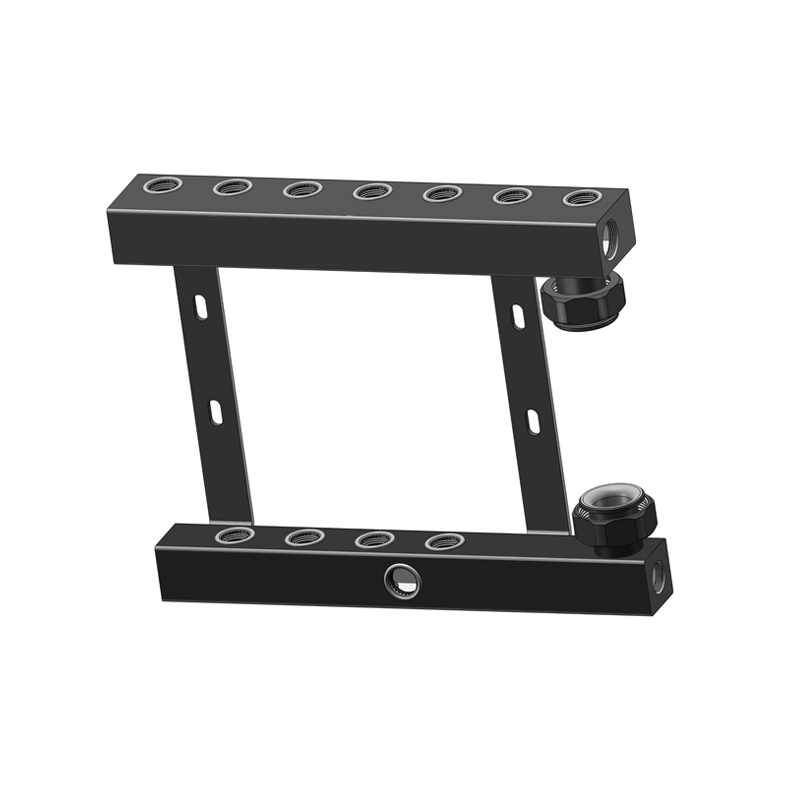
The packaging and shipping conditions are key to ensuring the manifold arrives undamaged and performs effectively once installed.
First, inspect the packaging for any signs of damage. This is especially important if the manifold has delicate or complex components that could be easily affected during shipping. The packaging should be sturdy and well-protected to prevent any shifting or impact that could cause damage. Ensure that the manifold is tightly secured within the box to avoid unnecessary movement during transit.
Next, confirm that the manifold was shipped under proper conditions. Extreme temperatures, humidity, or exposure to moisture during shipping can damage the manifold, especially if it's made from materials like plastic or thin metals. Manifolds that are exposed to harsh shipping conditions may have weakened components, which can lead to functionality issues after installation. Ensure that the manifold has been shipped in a climate-controlled environment if necessary.
Choosing the right material for your manifold is crucial for system efficiency and longevity. Below is a comparison of the most common materials used in manifold construction:
Material | Durability | Corrosion Resistance | Best Use Cases |
Stainless Steel | Very High | Very High | Ideal for marine environments and industrial settings |
Zinc-plated Carbon Steel | Moderate | Moderate | Suitable for residential systems and light-commercial applications |
Plastic | Moderate | Low | Best for low-pressure systems or budget-friendly installations |
Brass | High | High | Commonly used in residential and commercial systems, particularly in corrosion-resistant environments |
Tip: Select the appropriate material based on your system’s exposure to moisture, pressure, and chemicals.
Manifold features can play a significant role in improving the overall performance of your HVAC or plumbing system. Here are a few key features to consider:
Feature | Benefit |
Adjustable Flow Rate | Allows you to customize fluid distribution to meet the needs of each zone. |
Pressure Balancing Valves | Ensures consistent pressure across the system, reducing the risk of overpressure. |
Temperature Sensors | Enables real-time temperature control, improving efficiency and comfort. |
Flow Meters | Provides real-time flow data for better system diagnostics and maintenance. |
Shut-Off Valves | Simplifies maintenance by allowing easy isolation of specific zones. |
Tip: Choose manifolds with advanced features that provide better control over your HVAC or plumbing system, reducing energy use and enhancing overall system reliability.
Inspecting your manifold upon delivery is essential for optimal system performance. By following this checklist, you can catch potential issues early, avoid costly repairs, and ensure proper fit. A thorough inspection ensures your system runs efficiently and safely. Easywell’s high-quality manifolds provide reliable performance, offering long-term value for your HVAC or plumbing system.
A: A manifold in HVAC systems is a device used to distribute air, water, or refrigerants evenly across different zones, ensuring balanced flow and efficient system performance.
A: When receiving a manifold, inspect for any visible cracks, dents, or deformations that could affect performance. Damaged manifolds should be returned or replaced.
A: Proper inspection ensures that the manifold meets specifications and avoids issues like leaks, inefficiency, and system failures, ensuring long-term system reliability.
A: Check that the manifold’s size, material, and connection type are compatible with your HVAC system. This ensures smooth integration and optimal performance.


