
Views: 0 Author: Site Editor Publish Time: 2025-12-15 Origin: Site


Did you know improper fluid distribution can affect system performance? A manifold ensures fluids are evenly distributed across circuits. This leads to efficiency, cost savings, and longer system life.
In this article, we’ll explain what a manifold is, how it works, and why it’s crucial for your HVAC and plumbing systems. You’ll also learn how to choose the right one.At Easywell, we offer reliable manifolds for optimal system performance. Learn more about our products.
A manifold is a central distribution device used in plumbing and HVAC systems to evenly distribute fluid or air to multiple circuits. It acts as a hub, ensuring balanced flow, temperature, and pressure control throughout the system. In plumbing, the manifold distributes water to various fixtures, ensuring consistent pressure across multiple outlets. In HVAC systems, it directs refrigerants or heated fluids to different zones or loops, providing even heating or cooling throughout the system.
In both HVAC and plumbing systems, manifolds play a vital role in distributing fluids or gases evenly across multiple zones or circuits. They help maintain an even flow, ensuring consistent temperature or pressure, which is essential for system performance. By distributing fluids efficiently, manifolds contribute to energy savings by optimizing fluid movement, preventing overheating, and reducing energy losses.
In HVAC systems, manifolds regulate refrigerant flow, ensuring that each zone receives the appropriate amount of heating or cooling fluid. Similarly, in plumbing systems, they ensure water flows with consistent pressure to all fixtures, such as faucets and toilets, providing reliable water delivery throughout the building.
In hydronic heating systems, a manifold is key to distributing hot water evenly across different areas of the building. Whether it's underfloor heating or radiators, the manifold ensures each zone gets the right amount of water. This balance helps maintain a consistent temperature throughout the system, avoiding hot spots or cold spots. By doing so, it improves overall comfort and boosts system efficiency, as energy is used more effectively, reducing wasted heat.
Manifolds are also critical for regulating pressure and flow in HVAC systems. They control the fluid flow to ensure that each zone receives the appropriate amount of water or air. Proper pressure regulation is essential to avoid over-pressurization, which could lead to component damage or reduced system performance. By balancing flow and pressure, manifolds not only optimize energy use but also extend the lifespan of HVAC components, helping to reduce wear and tear on the system.
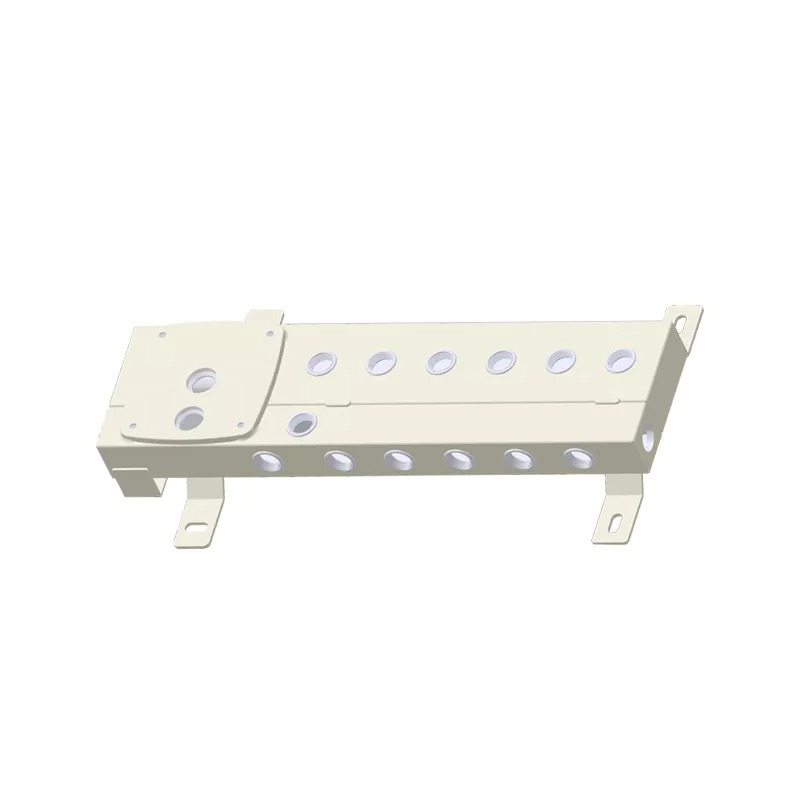
One of the main advantages of using manifolds is the improvement in energy efficiency. By ensuring that fluid is distributed evenly across all zones, manifolds help reduce energy consumption. This is especially important in larger systems, where maintaining efficiency can significantly lower operational costs. With optimized flow management, manifolds help to prevent energy loss, ensuring the system operates at peak efficiency over time.
Manifolds offer enhanced control over each zone within an HVAC or plumbing system. For example, manifolds equipped with actuators or thermostatic heads allow for easy customization of temperature and pressure in individual zones. This level of control ensures that each area of the system functions according to specific needs, enhancing comfort and improving energy management. Users can adjust settings for various rooms, ensuring optimal performance across different parts of the system.
Proper installation of manifolds can reduce the need for frequent system maintenance and minimize downtime. Since manifolds allow for easy flow regulation and system control, they make it easier to identify and resolve issues such as blockages or leaks. This quick diagnosis and solution process prevent extended disruptions and enhance system reliability. Additionally, features like flow meters and pressure gauges simplify maintenance tasks by providing real-time data for better system monitoring and optimization.
A single manifold system features one inlet and multiple outlets. It’s a simple design well-suited for smaller systems or applications that don’t require extensive flexibility. These systems are typically cost-effective and easy to install. However, they may not provide the precise control needed for larger or more complex setups. Single manifolds are ideal for residential systems where the number of zones is limited.
Multi-port manifolds have multiple inlets and outlets, offering greater flexibility and control. These systems are ideal for larger installations or systems with multiple zones. They allow for better pressure and flow regulation across each zone, making them suitable for complex HVAC or plumbing setups. Multi-port manifolds are commonly used in industrial, commercial, or large residential systems where precise control is essential for optimal performance.
Feature | Single Manifold | Multi-Port Manifold |
System Size | Best for small to medium systems | Ideal for larger, complex systems |
Flexibility | Limited flexibility | High flexibility, customizable for multiple zones |
Pressure Control | Basic pressure control | Advanced pressure regulation and flow control |
Applications | Residential, small commercial systems | Large residential, industrial, commercial systems |
Cost | More cost-effective for smaller systems | Higher cost due to advanced features |
When choosing the right manifold, the size of your system and the number of zones are crucial factors to consider. For smaller systems with fewer zones, a single-port manifold may suffice. However, for larger systems with multiple zones, a multi-port manifold is necessary. Multi-port manifolds allow for more precise temperature and pressure control, making them ideal for systems where individual zones need to be managed independently. The more zones your system has, the more flexibility and control a multi-port manifold provides, ensuring each area receives the correct fluid flow.
The material of the manifold plays a significant role in determining its durability, pressure resistance, and suitability for your environment. For industrial applications or boiler systems, carbon steel manifolds are the go-to choice. They offer strength, durability, and the ability to handle high-pressure environments, making them ideal for systems exposed to extreme conditions. For residential and commercial systems, stainless steel manifolds are often preferred. They provide excellent corrosion resistance and can withstand moisture, chemicals, and other environmental factors. Stainless steel manifolds are long-lasting and require minimal maintenance, making them ideal for systems exposed to humid or chemically-rich environments.
Choosing the right material for your manifold ensures it will stand up to the stresses of your system while lasting for many years, providing reliable and efficient service.
Material | Durability | Corrosion Resistance | Best Use Cases |
Stainless Steel | Very High | Very High | Marine environments, industrial settings |
Zinc-plated Carbon Steel | Moderate | Moderate | Residential systems, light-commercial applications |
Plastic | Moderate | Low | Low-pressure systems, budget-friendly installations |
Brass | High | High | Residential and commercial, corrosion-resistant environments |
When selecting a manifold for your HVAC or plumbing system, it's important to consider the features that will provide the best performance and control. Here are some key features to look for:
Adjustable flow rates allow you to fine-tune the amount of fluid or air being distributed to each zone. This feature is essential for systems with varying load demands across different areas. With adjustable flow, you can ensure that each zone receives the appropriate amount of water or air, optimizing system performance and energy efficiency.
Pressure-balancing valves help maintain consistent pressure across the system. These valves prevent pressure fluctuations that could potentially damage components or reduce system performance. Pressure balancing is especially important for larger or multi-zone systems where maintaining uniform pressure is critical for the proper functioning of the system.
For advanced HVAC systems, temperature sensors are crucial in maintaining precise control over each zone. These sensors continuously monitor the temperature, ensuring that it remains within the desired range. By integrating temperature sensors with the manifold, you can adjust the flow and pressure automatically to meet heating or cooling needs in real-time.
Flow meters are essential for systems that require real-time monitoring of fluid or air flow. They provide valuable data on the performance of each zone, allowing for quick identification of any potential blockages, leaks, or imbalances. With flow meters, you can easily track the efficiency of your system and make adjustments as needed to keep it running smoothly.
Look for manifolds that are designed for easy installation and maintenance. Features like quick-connect fittings and compact designs make the installation process faster and more straightforward. Additionally, selecting a manifold with accessible valves and connection points ensures that maintenance and repairs can be carried out with minimal disruption to the system.
These features will help ensure that your manifold performs optimally and that your HVAC or plumbing s
Feature | Benefit |
Adjustable Flow Rate | Allows customization of flow for each zone |
Pressure Balancing Valves | Ensures even pressure across the system |
Temperature Sensors | Provides real-time temperature data for better control |
Easy-to-Use Shut-Off Valves | Simplifies maintenance and repairs |
Integrated Flow Meters | Helps monitor and maintain flow rates in real-time |
Leaks and blockages are common issues with manifolds that can disrupt system performance. Leaks may cause fluid loss, reduce system pressure, and lead to wasted resources. Blockages can prevent proper fluid flow, resulting in uneven distribution, and may cause parts of the system to overheat.
Regular inspection and maintenance are essential for identifying and addressing these issues before they escalate. Proper sealing, routine cleaning, and checking for debris or buildup can significantly extend the lifespan of your manifold and maintain optimal system efficiency.
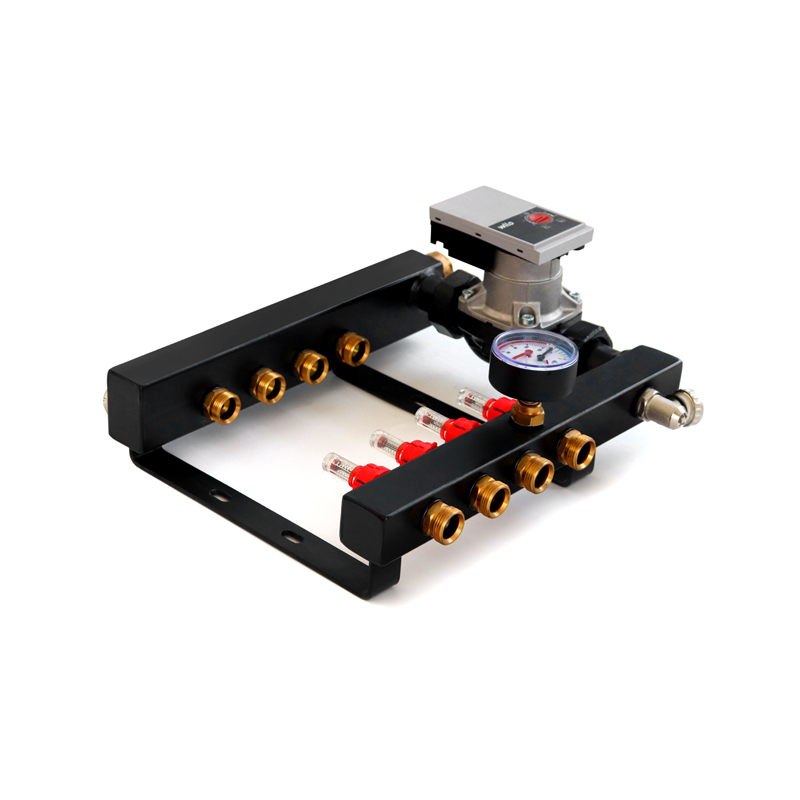
Pressure imbalances are a significant issue in both HVAC and plumbing systems. These imbalances can result in uneven heating or cooling and potentially cause long-term damage to the system. Manifolds are designed to regulate and ensure equal pressure distribution across multiple zones.
Adjustable flow valves play a crucial role in achieving the perfect pressure balance across the system. Regularly monitoring pressure levels and addressing imbalances quickly ensures that your system performs consistently and helps to avoid costly repairs or system failures.
In HVAC and plumbing systems, manifolds ensure even fluid or air distribution across zones. Choosing the right manifold is crucial for efficient, long-term system performance. Easywell offers high-quality manifolds that optimize flow, pressure regulation, and efficiency. These manifolds are easy to install, reliable, and integrate seamlessly into both residential and industrial systems.
A: A manifold is a central distribution unit that evenly distributes fluids like water, refrigerants, or air across different circuits in HVAC and plumbing systems. It ensures consistent flow and pressure control.
A: Manifolds balance fluid flow and pressure, ensuring energy is used efficiently. By distributing fluids evenly across zones, they prevent energy waste and reduce system wear and tear.
A: Manifolds are essential for hydronic heating systems as they distribute hot water to radiators or underfloor heating evenly. This helps maintain consistent temperatures and improves comfort throughout the system.
A: Yes, manifolds make it easier to manage and control each zone independently, reducing the likelihood of pressure imbalances, leaks, or blockages. Regular maintenance is easier and more efficient.


